
Dealing with anxiety can be overwhelming a lot of times. Luckily, there are some practical tools and methods that can help you calm down and make a big difference in your day-to-day life.
Weighted Plush Toys
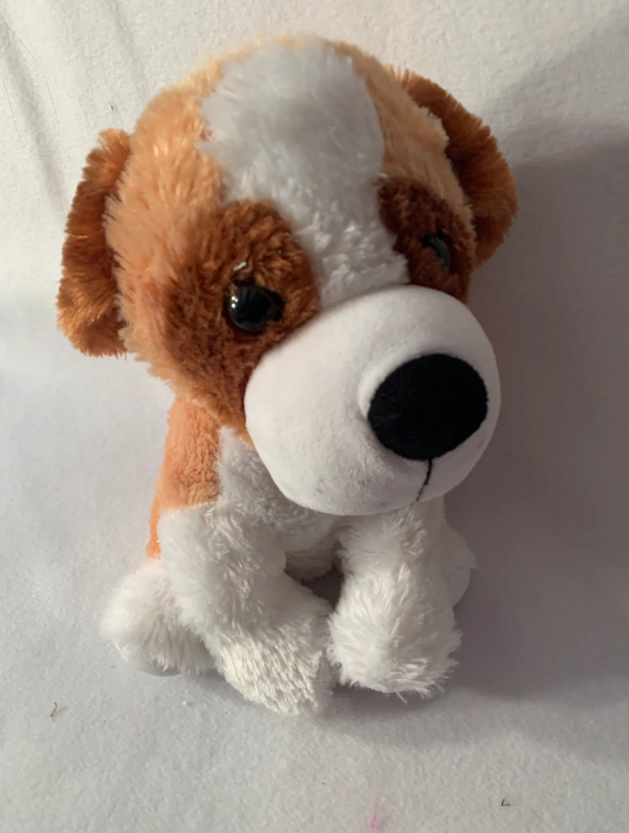
Weighted plush toys are soft, comforting stuffed animals that include a little extra weight inside. They’re not like regular plush toys. They’re made to provide a gentle and even pressure across the body when you hold or hug them. This pressure, also known as DPTS or deep pressure touch simulation, has a calming effect on the nervous system.
When you get the sensation of a hug or a gentle squeeze, you’ll feel stress and tension leave your body. One simple and cuddly anxiety plush toy can make a big difference in improving your mood and emotions. People who suffer from anxiety love these toys because they create a sense of comfort and security.
Once you have it in your hands, it grounds your mind and reduces racing thoughts. You won’t feel overwhelmed by the constant noise in your head. When the weight of the toy comes in contact with your body, it triggers the parasympathetic nervous system. This is the part of your body that’s responsible for relaxation. As a result, you get lowered stress hormone levels and a nice boost of serotonin and dopamine.
These toys can also help you if you have trouble sleeping. Racing thoughts and restlessness can be tough to go through, but hugging a heavier toy can transform your bedtime from struggling to an easy drift off. This is a very soothing, non-intrusive way to soothe yourself and manage your anxiety. Plus, it works in multiple settings, such as at home, in the office or while travelling.
Just because they’re toys, it doesn’t mean they’re made for children and should only be used by children. On the contrary, these toys are made for people of all ages who deal with anxiety. They’re very useful for people with sensory processing needs or those who respond well to tactile comfort.
Choosing a good toy is crucial. Make sure the size and weight are to your preference. If it feels too heavy, it can feel restrictive. But if it’s too light, it won’t get the job done. Also, make sure it’s easy to clean and made from durable materials so it can last for a long time. These plush toys are a simple and effective way to manage your everyday stress.
Physical Techniques
Besides the toys, you can try some physical techniques to calm your anxiety. One of the best approaches includes deep breathing exercises. Practice slow and controlled breaths because they can reduce tension and make you more focused. For example, inhale for four counts, hold your breath for seven counts and then exhale for eight counts.
You can also try progressive muscle relaxation. By tensing and then relaxing each muscle group from head to toe, you can release stored tension and become more aware of physical sensations associated with stress. Exercise such as walking, running, yoga, stretching or swimming can help you as well. While doing these things, your body releases endorphins, improves your mood and helps in regulating sleep.
People also find grounding techniques quite useful. Focusing on sensory input will help you anchor your mind and break the vicious cycle of anxious thoughts. Start by noticing five things you can see. Then spot four things you can touch. Continue with three things you can hear. Focus on two things you can smell, and finally, one thing you can taste.
Mindfulness and Meditation
It doesn’t matter if the meditation is guided or silent; it can teach you to observe your thoughts without judgment. The anxious patterns will fade away without escalating. Keeping your anxiety plush toy close by can also help. Simple mindfulness exercises, such as focusing on your breath, walking mindfully, or paying attention to small daily tasks, can also calm your nervous system and improve emotional regulation.
Cognitive and Emotional Techniques
You can try Cognitive Behavioural Therapy. This therapy helps you identify negative or distortive thought patterns. Once detected, it can replace them with some more balanced thinking. You can even do this on your own by keeping a journal. Journaling is a simple way to manage your thoughts and process your emotions. Write down all of your worries and keep track of stressful events. This can provide more clarity.
People who suffer from anxiety often use positive self-talk. This is a way of reframing anxious thoughts. Instead of forcing and focusing thoughts like “I can’t handle this,” you can replace it with “I’m taking steps to manage this, and that’s okay.” Another way you can help yourself is by visualising a calm and safe environment for yourself.
Lifestyle Approaches
Building up some positive daily habits can be of great help when managing your anxiety. Keeping some weighted toys by your side is a good way to start. Maintain a good sleeping schedule. Have consistent bedtimes and a calming bedtime routine. Nutrition also matters. Limit alcohol and caffeine and avoid high-sugar foods. Instead, eat more nutrient-rich meals.
Maintain social connections, talk with friends and family, reduce your feeling of isolation. You should also limit screen time and avoid social media because they’re a common cause of anxious thoughts.
Professional Support
If none of this helps, it’s best to seek professional help. Therapists, counsellors, and psychologists offer structured strategies to manage anxiety, including CBT and exposure therapy. You can join support groups where people share their experiences. Make sure you seek help early and remember that asking for help and support is a sign of strength, not weakness.
In Summary
Managing anxiety is about combining practical tools, healthy habits, and professional support. Weighted plush toys, mindfulness, physical techniques, and lifestyle adjustments can all help, but everyone’s needs are different. Take the time to explore what works for you, and don’t hesitate to ask for help when you need it.