

Picture this: it’s a rainy afternoon, and someone pulls out a puzzle box, sets it on the table and starts sorting the pieces. At first, it looks like just a way to pass the time. But the more they fit the shapes together, the more it feels like exercise for the mind, calming, fun and surprisingly good at keeping thoughts sharp. Games, puzzles and little challenges like these are not only entertaining, they keep the brain busy in all the right ways.
That’s where puzzles step up as more than just a pastime. There’s more to choosing a wooden jigsaw puzzle Canada wide than picking out based on the image on the box. It’s about the focus, memory and patience each piece asks for. People who work on puzzles often find they can think clearly, remember more and even shake off that heavy feeling of boredom. It’s a small habit with a big payoff.
Wooden Jigsaw Puzzles as a Brain Gym
Think of a puzzle as the gym, but for the brain. Every time someone sits down to work on one, they’re giving their mind a workout without even realizing it. Picking up a piece isn’t just about finding where it fits; it’s about scanning shapes, noticing patterns, remembering colours and testing possibilities.
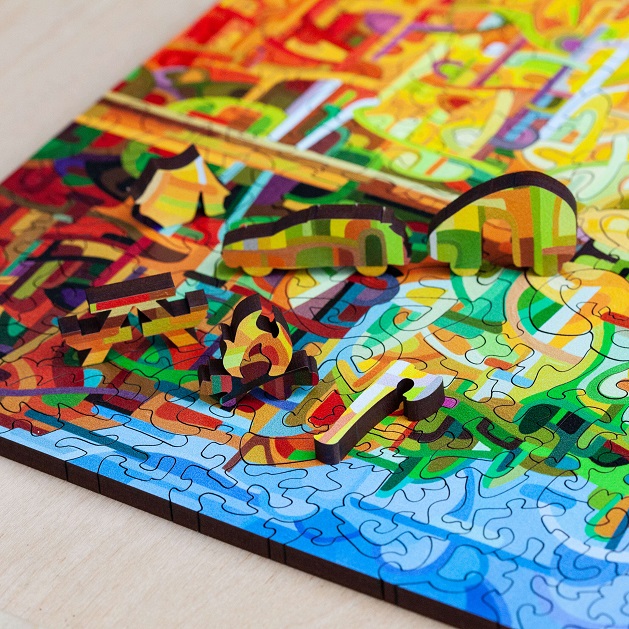
That simple act strengthens focus, memory and problem-solving skills. It’s a slow, steady kind of mental exercise that leaves the mind sharper, calmer and more resilient. This is where a wooden jigsaw puzzle Canada hobby stores and retailers provide comes in. Unlike cardboard versions, the wooden pieces have a weight and texture that make the experience even more engaging.
Each piece feels solid in the hand, and the designs are often intricate, requiring extra attention and patience. With jigsaw wood puzzles, the challenge is never rushed—it’s about enjoying the process while giving the brain a solid stretch. That’s why so many people describe puzzles not just as entertainment but as mental training disguised as fun.
Another plus is how puzzles naturally reduce stress. When someone is focused on fitting the right piece, everyday worries fade into the background. The mind enters a calm, almost meditative state, which is perfect for relaxing after a busy day. Instead of zoning out in front of a screen, puzzles keep the brain active in a soothing, balanced way.
And then there’s the creativity side. Many wooden jigsaw puzzles are designed with stunning artwork or unique cuts, which encourages fresh thinking. Spotting unusual shapes or unexpected connections keeps the brain flexible. Over time, this kind of practice can even make problem-solving in daily life feel easier. It trains people to approach challenges with patience and persistence, knowing that the solution is always somewhere in front of them—it just takes a bit of searching.
So, when someone chooses a wooden jigsaw puzzle, they’re not just picking up a rainy-day activity – they’re investing in something that builds memory, strengthens focus, lowers stress and sparks creativity, all while being fun. It’s a simple, timeless way to keep the brain sharp, whether it’s for kids learning to concentrate or adults looking to stay mentally active. With puzzles, the workout doesn’t feel like work at all.
Other Cognitive Tools and Activities
Board Games and Strategy Games
Board games have a way of bringing people together while giving the brain some serious training. Strategy games especially make players think ahead, plan moves and adapt to changes. Whether it’s chess, checkers or a modern game like Catan, the challenge is never just luck; it’s about using logic and foresight. When people sit around a board, they’re not only having fun but also learning to make decisions, weigh risks and adjust strategies on the fly. Even simple games like Connect Four or Guess Who keep the mind active by encouraging quick thinking.
Word Puzzles
Word puzzles are like secret workouts for the brain disguised as fun. Crossword puzzles, word searches and even quick games of Scrabble force the mind to dig deep into memory and vocabulary. They keep language skills sharp while also boosting focus. Searching for a tricky word in a grid or filling in blanks with clever clues might seem simple, but it strengthens recall and keeps the brain flexible. These puzzles are great because they don’t need much—just a pen, paper or even an app. Plus, they can be done anywhere, making them perfect for downtime on a commute or quiet moments at home.
Brain-Training Apps
In today’s world, apps make it easy to give the brain a quick workout anytime, anywhere. Brain-training apps are filled with mini-games designed to improve memory, speed, focus, and problem-solving. They’re short, fun, and feel more like play than practice. Whether it’s remembering patterns, solving quick math problems or testing reaction time, the variety keeps things interesting. People enjoy tracking their progress and seeing how their scores improve over time, which adds a little extra motivation. What’s great about these apps is the flexibility; five minutes a day is enough to feel the benefits.
Art and Creative Tasks
Creativity is one of the best ways to exercise the brain, and art makes it both fun and relaxing. Activities like drawing, painting, or even colouring can spark imagination while also improving focus. When people get absorbed in creating something, their minds shift into problem-solving mode without them realizing it, choosing colours, balancing shapes and bringing ideas to life.
Creative tasks also help reduce stress, giving the brain a chance to recharge in a positive way. It’s not about being an expert artist but about enjoying the process and letting ideas flow. Even simple activities like doodling or crafting encourage new ways of thinking and can boost confidence. Plus, the results are tangible, something made with personal effort. That sense of accomplishment is powerful. Creative tasks show that building cognitive skills doesn’t always mean strict training; sometimes it’s about having fun, experimenting, and letting the brain play.