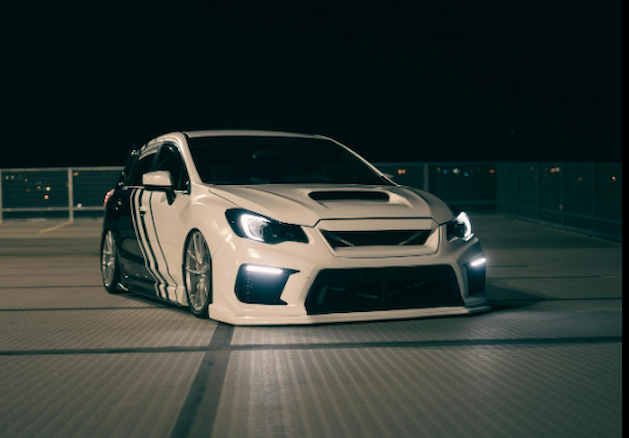

The WRX and STi nameplates don’t need a special introduction. The Subaru models demolished everything in their path in the World Rally Championships (WRC), with three consecutive driver’s and constructor’s titles (1995, 1996, 1997), a proven track record in the Nurburgring 24-Hour and dominated the Australian Rally Championship for a decade. Powered by a high-revving turbocharged boxer 4-pot with truckloads of torque and urged on by its signature symmetrical AWD drivetrain, the car remains a fan favourite for both street and track use.
All engine variants (2.0, 2.4 and 2.5-litre) are prime tuning picks that easily take mods for more power. Simple Stage 1 modifications with aftermarket Subaru WRX exhaust systems, new intakes and bigger intercoolers boost stock power numbers by 25 to 30 per cent, bringing the cars closer to 400hp driving all four wheels. This is supercar territory in a car that costs a fraction of the price, mods included.
Why Change the Stock Exhaust
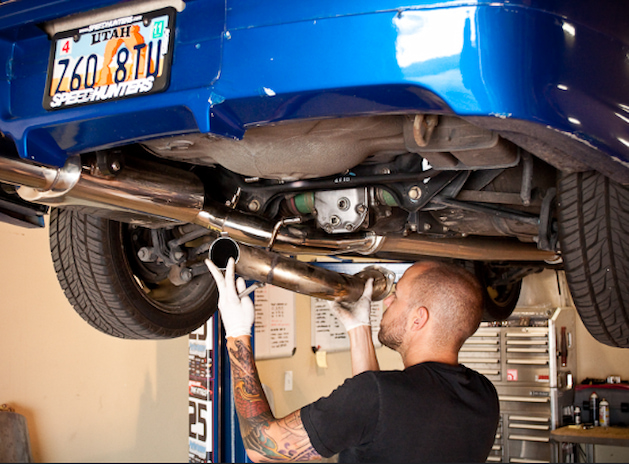
The stock piping the WRX and STi balance factory power numbers with fuel use and emission requirements. But if you want more than the 270-ish horses hidden under the hood, exhausts are a simple way to get you there. Aftermarket systems are re-engineered for reduced airflow restrictions, more power and more character in the signature Subaru exhaust rumble.
Cat-back systems are the more popular choice, featuring wide-diameter mid pipes for increased volume and exhaust velocity, revised muffler designs for maximised flow (or hotdog resonators in the older 2.5-litre with the same task), and wider, 4″ dual or quad tips in an understated finish to let others know you’re driving a tuned sleeper. Mated to stock downpipes, the configuration clears the engine for subsequent combustion cycles by reducing backpressure restriction, while spooling the turbo faster. Real-world results are instant throttle, faster acceleration and more low-end torque.
The setup can also be complemented with parts for proprietary sound profiles, either to reduce drone and decibels or increase volumes and the growl leaving the tips, often within the same component. This level of customisation proves its worth both on the street with a whisper quiet exhaust note, or the loud Subaru growl when working the throttle on the track.
Where aftermarket systems diverge from stock exhausts is the build and materials. High-grade 304 stainless steel in a brushed finish combines looks and durability. With higher strength and improved heat and corrosion resistance, and the fact that all parts are mandrel-bent to ensure diameter uniformity, your new Subi exhaust will last in all subsequent mods and retain its shape and integrity against uneven roads and debris. Paired with tips in finishes to match your WRX variant, exhausts are aftermarket mods that blend boosted power, improved turbo spooling, lasting durability and strength, and the aesthetic and audible appeal that draws attention.
Pair Exhausts with Cold Air Intakes
Air intakes are the logical pairing for performance Subaru WRX exhaust systems. Choose a short ram intake to increase piping widths and air volumes for a shorter, direct path into the combustion chamber, or a full cold air intake system with scoops and piping set lower to gather cooler, oxygen rich air for bigger bangs. Complemented with metal heat shields, cold air intakes also prevent heat soak to keep air cool and dense.
Real-world benefits for your WRX are more efficient combustion cycles, snappier throttle response and even louder engine intake growl. Power gains are rated between 5 and 20hp, depending on the setup. Bigger, cone filters sitting in custom air boxes also help with improved filtering and reduce engine wear over the long term. The industrial design also draws attention with the bonnet up.
Add an Aftermarket Intercooler
Intercoolers in turbo engines cool compressed air, increasing its density and oxygen content before it is mixed with fuel and ignited. Factory units are tweaked to handle the stock power with no modifications or upgrades. But, once you’ve added a revised intake and exhaust combo, you’ll be looking at an aftermarket intercooler with larger thicker cores to effectively increase cooling capacity, and new inlet and outlet ducting to maximise flow.
Choose a top-mount intercooler as a factory replacement for cars tuned up to 400hp on the dyno, or bigger front-mounted intercoolers moved towards the front bumper for Stage3 mods that also imply high-pressure injectors, faster spooling aftermarket turbos for more boost and high-capacity downpipes to go with the fitted cat-back exhaust. These shield the turbo in tunes rated for close to 500hp.
Expect more linear power delivery with optimised turbo boost, lower intake temperatures to keep high engine revs going for longer, and better overall performance. All three mods will necessitate an ECU tune to balance timing and ignition with optimal air-fuel ratios, take advantage of each component in terms of power potential and prevent possible engine issues. Once you have all that raw power up and running, consider bettering aero and handling performance with aftermarket body kits, stiffer springs, and fitting stickier rubber to get even more traction out of the 4WD system.