The thrill of riding comes with a responsibility that should never be overlooked: your safety. Reliable motorcycle gear isn’t just an accessory; it’s your first line of defence on the road. From unexpected weather changes to sudden obstacles, the right equipment can make all the difference between a close call and a serious injury.
Building the Perfect Riding Gear Setup
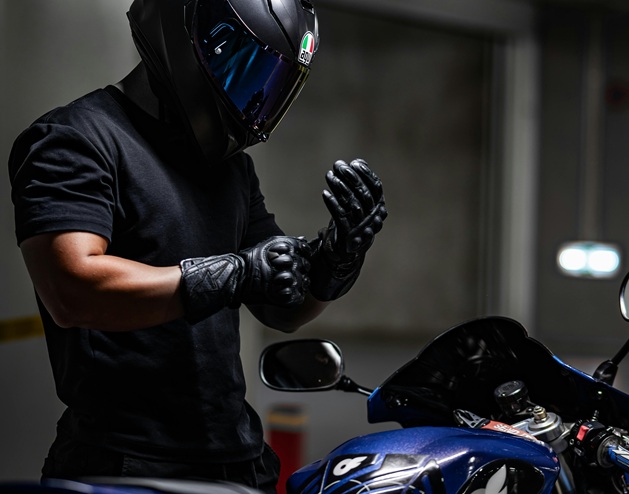
Instead of worrying about what could go wrong, invest in an advanced motorcycle riding gear and focus on your journey ahead with confidence and peace of mind. Below is a simple breakdown of the essential components every rider should prioritise.
Helmet: The Core Protection
Your helmet is the most critical piece of gear, designed to protect against life-threatening head injuries. A properly fitted full-face helmet offers the highest level of coverage, shielding the skull, jaw, and face from impact and debris. Look for strong ventilation and secure fastening for long-distance comfort.
Jacket: Upper Body Shield
A riding jacket acts as your outer armour, protecting shoulders, elbows, and spine. Choose abrasion-resistant materials such as reinforced textiles or leather, ideally with built-in impact protection. Beyond safety, jackets also help regulate temperature, making rides more comfortable in changing weather conditions.
Gloves: Grip and Impact Protection
Gloves are essential for maintaining control of the bike while protecting your hands, which are the most exposed part in a fall. Reinforced knuckles and padded palms reduce the risk of injury while improving grip on handlebars, especially during long or high-speed rides.
Pants: Lower Body Safety
Motorcycle-specific pants provide abrasion resistance and knee protection, reducing the risk of serious leg injuries. Unlike regular clothing, they are designed to withstand sliding impact and harsh road contact, making them a key part of a complete setup.
Boots: Stability and Foot Protection
Proper riding boots protect ankles, toes, and heels while offering grip and stability on the foot pegs. Over-the-ankle coverage is essential to prevent twisting injuries and improve control during stops and turns.
Fit and Functionality
When it comes to motorcycle riding gear, fit and functionality are just as important as protection itself. Even the highest-quality motorcycle riding gear for sale loses its effectiveness if it doesn’t fit properly or support natural movement while riding.
A well-fitting helmet should sit snugly without causing pressure points and be stable even at higher speeds. If it shifts or feels loose, it can compromise both safety and focus on the road.
Jackets and pants should offer a close but comfortable fit, allowing a full range of motion without feeling restrictive. Proper sizing ensures that built-in armour stays in the correct position during impact, rather than shifting out of place. Adjustable straps, stretch panels, and ventilation systems all contribute to better adaptability across different riding conditions.
Functionality also plays a key role in everyday usability. Features such as waterproofing, thermal liners, and breathable fabrics help riders stay comfortable in changing weather. Pockets for easy access, reinforced stitching in high-impact zones, and quick-adjust closures are all practical aspects of the gear.
Gloves and boots must strike the right balance between protection and control. Gloves should enhance grip without reducing finger mobility, while boots need to provide ankle support without limiting gear shifting or walking comfort.
Visibility and Safety Enhancements
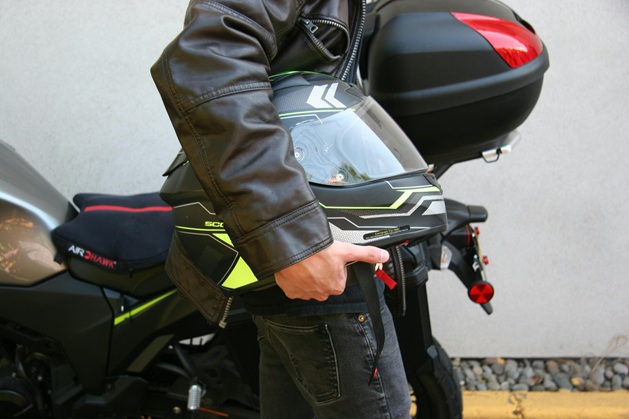
Visibility is a crucial factor in motorcycle safety, especially when riding in low-light conditions, heavy traffic, or unpredictable weather. High-quality riding gear often includes reflective panels, high contrast colours, and strategically placed reflective strips that make riders more noticeable to other road users. This simple enhancement can significantly reduce the risk of accidents by improving the reaction time.
Modern setup also incorporates safety-focused features such as integrated LED lights, reflective piping on jackets and helmets, and bright fluorescent materials that stand out during the day. Helmets with clear, anti-fog visors further improve visibility by ensuring an unobstructed view of the road in varying conditions. Beyond visibility, these enhancements work alongside protective elements to create a safer riding experience overall.
The Right Gear for Your Riding Style
Different riding styles demand different levels of comfort, flexibility, and safety features, making it important to tailor your gear accordingly.
For daily commuters, lightweight and breathable gear is ideal. Jackets with ventilation panels, waterproof layers, and easy-to-wear designs help handle changing weather and frequent stops. Comfort and practicality take priority here, ensuring smooth rides through traffic-heavy routes.
Touring riders, on the other hand, benefit from durable, all-weather gear. Long-distance riding requires enhanced comfort features such as thermal liners, ergonomic padding, and ample storage options. Consistent protection and adaptability to varying climates are essential for extended journeys.
Sport and performance riders need gear that focuses on high-impact protection and aerodynamic design. Snug-fitting suits, reinforced armour, and abrasion-resistant materials help improve safety at higher speeds while maintaining full control and movement.
Off-road riders require rugged, flexible gear built to handle dirt, mud, and rough terrain. Reinforced boots, impact-resistant helmets, and flexible jackets ensure protection without restricting mobility.