
As a responsible pet parent, you probably want to do everything possible to help your dog feel better when they’re unwell. Undergoing surgery can be such a vulnerable time in your pet’s life, when they need extra care and support. Recovery may take time and patience, but with the right approach, you can help lift their spirits and aid their healing journey.
Create a Controlled Recovery Space
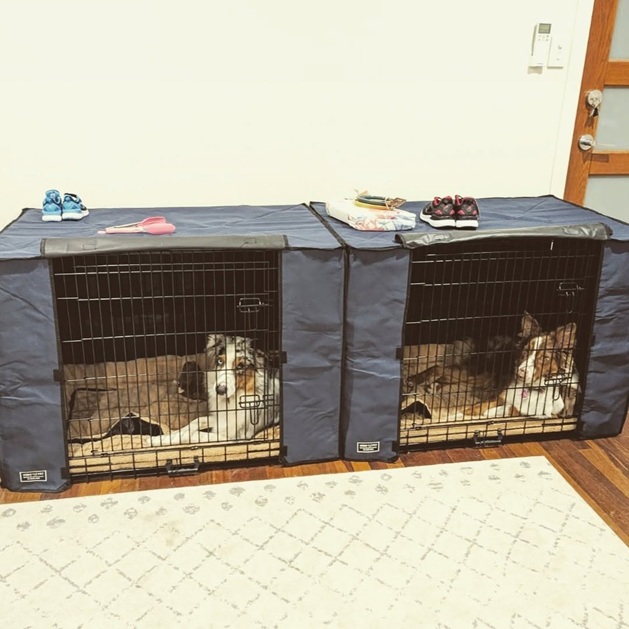
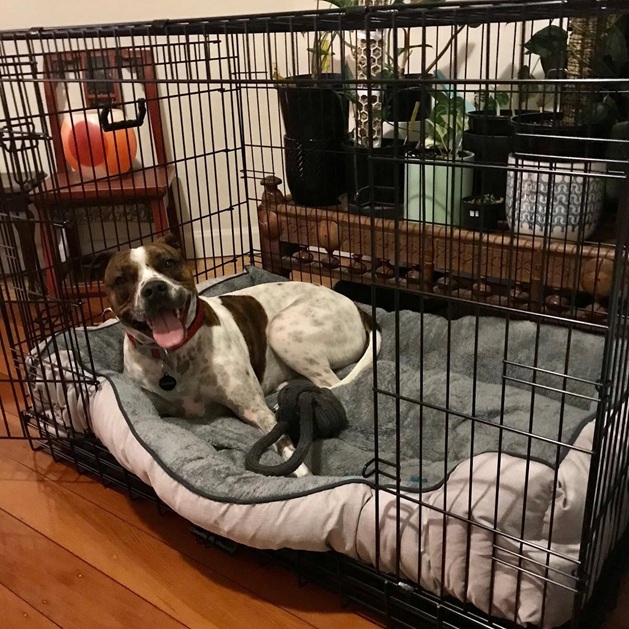
First and foremost, it’s important to give your pooch enough time to heal once they return home. As your vet will probably advise, limiting their movement is essential to prevent infections and complications. Confining your pet is one of the best ways to do this. This is where a sturdy collapsible dog cage comes in handy.
With a collapsible metal dog crate, you can create a safe and temporary space for short-term use while they recover, without requiring permanent changes to your home. Once your vet clears them for normal activity, it can be folded away and stored until it’s needed again.
Moreover, a collapsible dog cage gives you the flexibility to adjust their environment as they heal. It can be placed in a quiet area of your home where your dog can rest comfortably while still being close to the family. Many designs are also easy to move between rooms when needed.
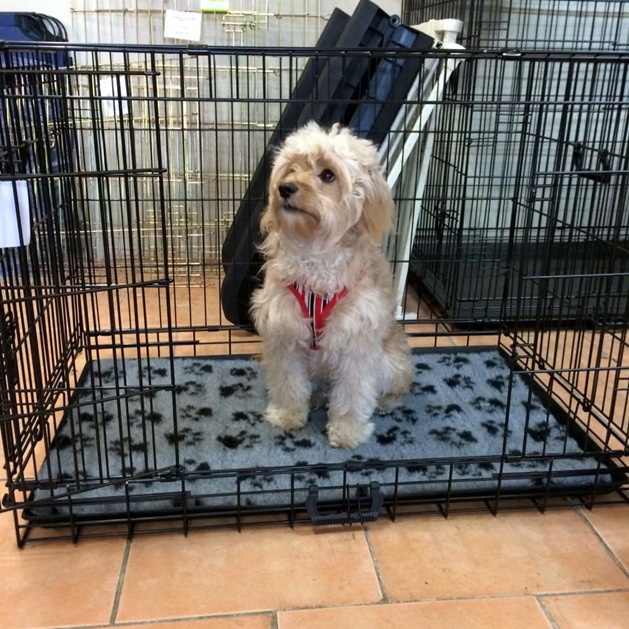
When it comes to buying a collapsible dog crate, size is one of the most important considerations. The cage should be large enough for your dog to stand up, turn around and lie down comfortably, but not so spacious that they can move around excessively. Too much room may encourage activity that could interfere with their recovery.
Furthermore, the cage should have a design that’s safe with smooth, rounded edges and no sharp areas that could cause injury. A secure structure with sturdy materials like metal will help keep them protected while they rest.
Finally, a cage with wide-opening doors and convenient access points makes caring for your dog much easier. You may need to provide medication, check their surgical site or help them in and out. Easy access also reduces unnecessary movement during handling.
One thing to keep in mind is that it doesn’t necessarily mean your pet needs to be in their cage 24/7, but it’s important to limit them to one room with nothing to climb or jump on. Also, it should be a room where you can leave them unsupervised if you need to leave them on their own for a period of time. Additionally, it is important to keep your pet indoors with only essential trips outside on a leash for bathroom breaks.
Follow Vet Instructions Carefully
Your vet will likely provide specific advice about rest, activity levels, wound care, feeding and any medications your dog may need. These instructions are tailored to your dog’s procedure, so it’s important to follow them carefully rather than relying on general advice.
Depending on the type of surgery, your dog may be prescribed pain relief medication to keep them comfortable, antibiotics to help prevent or manage infection, or anti-inflammatory medication to reduce swelling and discomfort. Your vet may also recommend medications to support other aspects of recovery, such as preventing your dog from interfering with their surgical site.
Always give medications exactly as directed, including the correct dose and timing. Avoid giving your dog any human medications unless your vet specifically approves them, as some can be harmful.
If you’re unsure about how to administer medication, what side effects to expect or what to do if a dose is missed, contact your veterinary clinic for guidance. Keep a simple schedule to make sure you don’t miss a dose.
Write down each medication, the dosage and the times it needs to be given, then tick it off once it’s completed. You can use a notebook, a calendar on your fridge or a reminder app on your phone to keep track.
Watch Behaviour Closely
After surgery, it’s normal for your dog to seem different for a while. During the first day or two, they may appear sleepy, less energetic, confused and less interested in food. They may also be quieter than usual as the effects of the anaesthetic wear off and their body adjusts after the procedure.
As they start to feel better, their personality should gradually return. They may become more alert, show interest in their surroundings and want to resume normal activities.
However, it’s important to remember that feeling better doesn’t always mean they are fully recovered, so continue following your vet’s advice about limiting exercise and activity.
Keep an eye out for changes that seem unusual or worsen over time. Contact your vet if your dog appears increasingly uncomfortable, becomes unusually lethargic, refuses food or water for longer than advised, shows signs of worsening pain, or you notice changes around the surgical site such as increased swelling, discharge or irritation.
As a pet parent, you probably know your dog’s normal behaviour best, so trust your instincts if something doesn’t seem right.