
Strength training has evolved well past a barbell and a rack of plates. From the novice who has never set foot inside a gym to the serious competitor who is trying to hit a national total, having the proper equipment is crucial for continued growth rather than stagnation or, worse, an injury that sidelines you for months. So, what gear actually matters?
What Equipment Is Needed for Strength Training?
Belts: The Foundation of Strength Workout Equipment
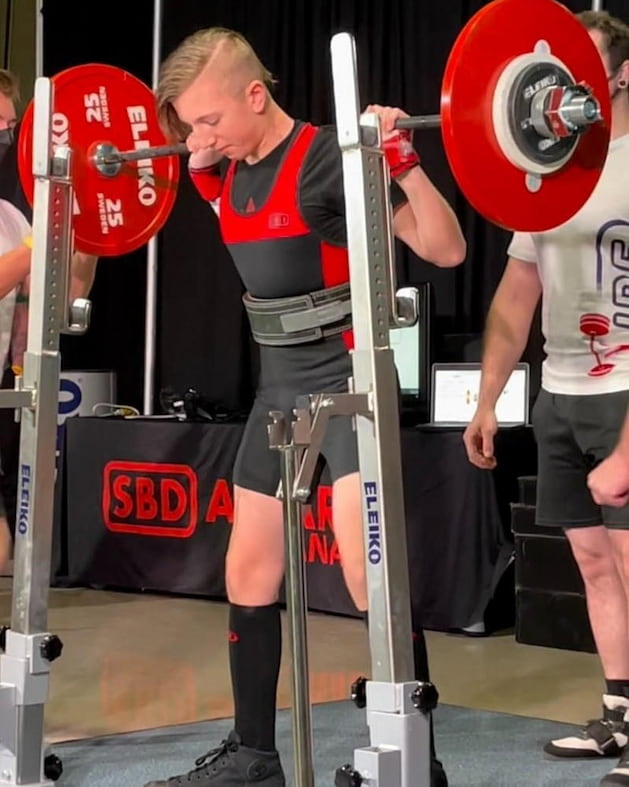
A decent-quality lifting belt is usually the first “real” piece of equipment that lifters buy, and rightly so. Increasing intra-abdominal pressure with a lifting belt means you have something to brace against, leading to increased stability and the ability to lift more weight on your squats and deadlifts.
Lifting belts come in two main categories: the lever belt, which uses a lever system for a quick, consistent fit; and the pronged belt, which offers greater flexibility and adjustability for different waist sizes. The thickness of the belt is important as well. A thicker belt tends to offer more rigidity and support for max-effort lifts, while a slightly thinner belt can feel more comfortable for lifters who want a touch more mobility.
If you are not sure what the right thickness is for you, visit a store that specializes in strength training equipment and ask for advice. They usually compare the 10 mm belt to the 13 mm one and help lifters choose what’s best for their needs.
Knee Sleeves and Joint Support
Another essential component of the lifting equipment arsenal is the knee sleeves. Made from thick neoprene, they add compression to the knee joint and keep it warm. This can help with the lifter’s proprioception (your sense of joint positioning) and add a degree of elastic response out of the bottom of the squat. Of course, they’re not a substitute for good technique or mobility work, but for those who train at a high intensity or in cooler gyms, sleeves can definitely increase comfort and confidence. Proper fit is crucial for this type of lifting gear; sleeves that are too loose or too tight won’t serve their purpose, so powerlifting gear suppliers usually have special sizing charts on hand for their customers.
Wrist Wraps and Straps
When it comes to pressing exercises such as the bench press, the overhead press, or other heavy pushing work, wrist wraps help stabilize the wrist joint and prevent it from bending backward under the weight. The wraps come in varying levels of stiffness, from softer options used for assistance work to stiffer wrist wraps suited to maximal lifts.
Lifting straps have a related but different purpose. They strengthen the grip during pulling movements such as deadlifts and rows, allowing your back and legs to remain the limiting factor in the lift, not your forearms.
Footwear Built for the Platform
Proper footwear is more important in a strength-training setting than new lifters may realize. Specialized shoes for strength training tend to come in a few varieties:
- Heeled shoes with a stiff heel allow better ankle and torso positions in squats.
- Zero-drop shoes feature a stable flat sole that mimics barefoot training conditions, ideal for deadlifts and other strength movements.
- Cross-trainers for those who move between strength work and conditioning in the same session.
Wider toe box options have also become very popular, giving the foot room to splay naturally and create a more stable base under heavy loads. Choosing the right shoe has to do mostly with the primary lifts and your ankle mobility, which is why many gear suppliers offer detailed comparison guides, breaking down different footwear brands.
Apparel and Competition Gear
For lifters stepping onto a competition platform, apparel requirements become more stringent. Singlets are compulsory in almost all federations, and many lifters seek out IPF-compliant options to ensure their gear complies with the regulations.
Companies specializing in strength training gear usually offer a wide array of apparel tailored for the purpose – singlets, sweaters, deadlifting shorts, and socks – alongside brand-name gym clothes by popular sports companies.
Gym Chalk, Mouthpieces and the Small Details
Beyond the major categories, you need a few small accessories to complete a full kit. Gym chalk increases grip stability on pulling exercises and reduces the risk of a bar slipping mid-lift. Performance mouthpieces have grown in popularity among strength training athletes because they are designed to promote a stable bite and protect the teeth during maximal effort lifts. Resistance bands are multifunctional – useful both for warming up and improving flexibility but also as a source of accommodating resistance when used in conjunction with barbell exercises.
Choosing Equipment That Fits Your Goals
It can be tempting to buy all your strength training equipment at once, but it’s better to build your kit around your workout routine. A recreational lifter who aims at developing basic strength and good health doesn’t need the same equipment as a competitive powerlifter preparing for competition.
Start with the basics – a weightlifting belt and proper training shoes. Additional specialized equipment such as sleeves, wraps and competition clothing may be acquired later as you progress in training. Investing in proper equipment ensures you’re training safely and effectively.