

Taking the Guesswork Out of Distance
Outdoor activities often hinge on accuracy. Whether lining up a shot, gauging terrain, or measuring distance to a target, precision can make the difference between success and frustration. Optics designed for distance measurement eliminate uncertainty and sharpen performance, giving enthusiasts confidence in every decision.
Why Accuracy Matters
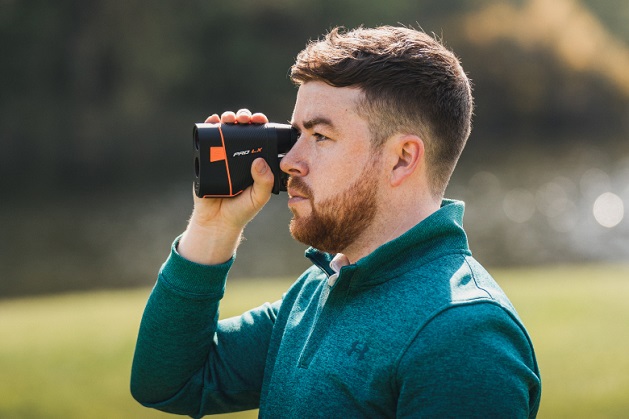
A range finder provides instant distance readings, helping users avoid guesswork. For hunters, it means cleaner shots and less chance of error. For golfers, it ensures better club selection. Even hikers and surveyors benefit from knowing exact distances to landmarks. The result is greater confidence, improved safety, and more efficient decision-making.
Understanding the Range Finder
At its core, a precise range finder uses laser technology to measure how long it takes a beam to travel to a target and back. This calculation delivers accurate distance readings in seconds. Compact and lightweight, these devices are designed for portability, making them ideal for field use.
They are versatile across activities, from shooting sports to outdoor exploration. Advanced range finders now integrate smart connectivity, offering seamless data sharing and enhanced outdoor precision.
Choosing the Right Fit
Investing in your very own range finder can elevate every outdoor experience, turning careful planning into confident action. Selecting the right model depends on several factors. Magnification determines how clearly you can see a target, with 6X–8X often considered the sweet spot for balancing clarity and stability.
Range capacity is equally important because some devices measure reliably up to 4,000 yards, while others are tailored for shorter distances. Durability matters too, with weather-resistant designs ensuring performance in rain or fog. Ease of use, such as intuitive buttons and clear displays, rounds out the checklist.
Features That Make a Difference
Modern range finder optics often include HD glass for crisp visuals, angle compensation for uphill or downhill shots, and ballistic calculations for advanced shooting scenarios. Lightweight construction ensures portability, while rugged housings protect against drops and harsh environments.
Some models also offer scan modes, allowing continuous measurement as you pan across multiple targets. These features collectively enhance outdoor performance, making the device more than just a measuring tool, it becomes a trusted companion.
Exploring Options and Practical Tips
When weighing options, balance your needs with practicality:
- If you’re primarily shooting at long distances, prioritize extended range capacity.
- For golf or hiking, keep in mind that compact designs may be more suitable.
- Testing usability before purchase.
- Check how quickly the device locks onto targets and how readable the display is in bright sunlight.
- Consider alternatives within the same optics branch, such as spotting scopes or binoculars with integrated distance measurement, if your activities demand versatility.
- Think about the environments you’ll use it in: dense forests, open fields, or mountainous terrain.
- Use or get devices with angle compensation that are particularly useful in uneven landscapes.
- Battery life is another consideration; get lithium batteries which often last longer and perform better in cold weather.
- Balance price with performance to ensure you’re not overspending on features you won’t use, while still securing reliability.
Making the Most of Your Gear
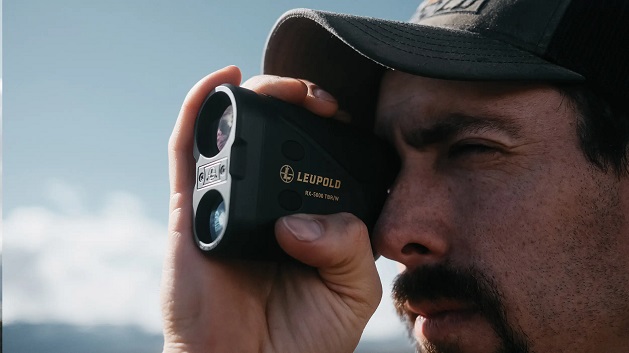
Proper care ensures longevity. Clean lenses with a soft cloth to avoid scratches, store the device in a protective case, and replace batteries regularly to prevent downtime. Avoid exposing it to extreme heat or moisture when not in use. Calibration checks can help maintain accuracy, especially if the device has advanced ballistic functions. With consistent maintenance, a range finder can deliver reliable performance for years.
Another overlooked aspect is practice. Learning how to quickly acquire targets and interpret readings builds confidence. Many users find it helpful to train in varied conditions, like bright daylight, low light, and even fog, to understand how their device performs. This preparation ensures smoother use when it matters most.
Expanding Applications Beyond the Obvious
While hunting and golf are the most common uses, range finders have broader applications. Wildlife photographers use them to judge distances for framing shots. Surveyors rely on them for quick measurements in the field. Even hikers benefit when planning routes across valleys or ridges. In competitive shooting, advanced models with ballistic calculators provide data that can be the difference between hitting or missing a target.
Technology continues to evolve, with some devices integrating with mobile apps to log distances or sync with mapping tools. This adds another layer of utility, turning a simple measurement tool into part of a broader outdoor toolkit. As innovation grows, rangefinders are becoming indispensable not only for enthusiasts but also for professionals who rely on precision daily.
Confidence Through Precision
A well-chosen rangefinder transforms outdoor experiences. It empowers enthusiasts to act with certainty, whether tracking game, lining up a shot, or navigating terrain. By combining advanced technology with practical features, these devices offer precision that builds confidence and enhances enjoyment. With every use, range finders build trust in your decisions, ensuring accuracy becomes second nature across all environments.


