Hockey is fast, strategic, emotional, and deeply addictive for athletes at every level. But the same speed and physicality that make the spot exhilarating also introduce significant risks if players aren’t proactive about safety. Every shift on the ice demands confidence and function.
That’s why the smartest players approach safety with the mindset that it’s not just about wearing the right protective gear, it’s equally about mastering the skills and awareness needed to avoid dangerous situations. Comprehensive hockey safety rests on three pillars: properly fitted protective equipment, adherence to league rules, and strong fundamental skating and checking skills. When all three work together, the game becomes safer and more enjoyable.
Equipment: The Non-Negotiable Barrier
Face and Eye Protection
Face protection tends to be a personal decision, but the goal is always the same – shield the face, eyes and teeth from impact.
Hockey Helmet Visors (Shields)
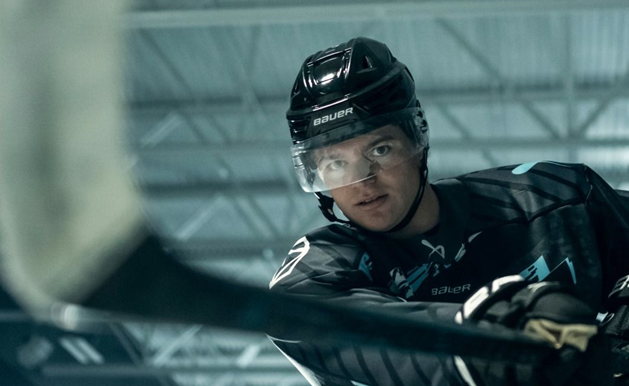
Adult and professional leagues commonly use visors instead of cages. A high-quality protective ice hockey visor protects the eyes and upper face while preserving wide visibility. It must always be scratch-free, securely mounted, and positioned low enough to cover at least the top of the nose, as required by most league rules.
For players searching for the right hockey visor, clarity, anti-fog coating, and shatter-resistant materials should be top priorities. There are many hockey visors for sale today, but performance varies significantly, so choosing a well-reviewed model is crucial. Whether opting for a visor for hockey or a full cage, the key is ensuring that protection never hinders visibility. Poor visibility creates its own safety risks.
Full Cages
A full cage provides maximum protection from pucks, sticks, collisions and falls. This is why most youth, high-school and many amateur leagues make them mandatory. They eliminate nearly all risk of facial injury.
The Helmet
A hockey helmet isn’t merely a piece of equipment, it’s the player’s first line of defence against concussions, falls, errant sticks and high-speed collisions. Fit is everything. The rim of the helmet should sit about an inch above the eyebrows, and the chin strap must be snug while allowing comfort and movement. A loose helmet is functionally a useless helmet. Players should regularly inspect the shelf, padding and screws to ensure nothing is cracked or shifting out of place.
Essential Body Protection
While the head is priority number one, the rest of the body demands the same attention. Acquire the following:
- Shoulder Pads – Quality shoulder pads protect the sternum, clavicle, spine and upper ribs, all areas vulnerable to collisions and falls. They should fit snugly without restricting movement.
- Elbow Pads – These pads must fully cover the elbow joint when the arm bends. Many wrist injuries stem from elbow pads that shift or leave gaps.
- Mouthguard – A mouthguard doesn’t just protect the teeth. It also reduces concussion risk by absorbing some of the shock transmitted through the jaw. Most leagues require them, and players should never skate without one.
Skill-Based Safety & Injury Prevention
Mastering Skating Fundamentals
Strong skating skills are the foundation of safe play.
Falling Safely
Players should learn how to fall properly when skating, preferably with the line of the ice and not towards the boards. Outstretched hands are a reflex. They commonly lead to wrist fractures and collarbone fractures. Falling on the side or forearm distributes impact more safely.
Stopping Techniques
Predictable, controlled stops prevent accidental collisions. Every player should master open-hip and parallel-stop techniques to remain agile in crowded spaces.
Awareness: Seeing the Whole Ice
Situational awareness prevents countless injuries. Players must scan constantly, especially near the boards, when dangerous checks occur most often. Most severe impacts don’t come from the force of the hit, but from being unprepared for it. Good awareness also reduces the risk of accidental high sticks, trips, and body-on-body collisions. In many cases, the safest players aren’t the fastest, they’re the more observant.
Proper Conditioning
Physical training is a major factor in injury prevention.
Core Strength
A strong core stabilizes the body during turns, checks and sudden direction changes. Players with weak core stability often absorb hits poorly, leading to more severe falls.
Concussion Management & Protocol
Recognizing Symptoms
Players, coaches and parents must be able to spot the early signs of a concussion. No symptom is too small to take seriously.
The ‘’When in Doubt, Sit Them Out’’ Rule
If there is even a hint of concussion, the player must be removed from play immediately. Rest and medical evaluation are critical. Hockey culture is tough, but returning too early is never worth the risk.
Neck Strengthening
A strong neck reduces the acceleration of the head when impact occurs, lowering concussion risk. Hockey-specific neck exercises can be added to off-ice training in just minutes per session.
Responsibility in Every Shift
Hockey safety isn’t a one-time decision, it’s a conscious commitment. From choosing the right helmet and ice hockey visor to masking skating fundamentals and understanding concussion protocol, every player holds responsibility for their own well-being and that of their teammates.
A safer game is a better game. With the right gear, strong skills and smart awareness, players can enjoy the full thrill of hockey while minimizing unnecessary risks. Own your safety. Play with respect. And always put the well-being of yourself, your teammates and your opponents first.