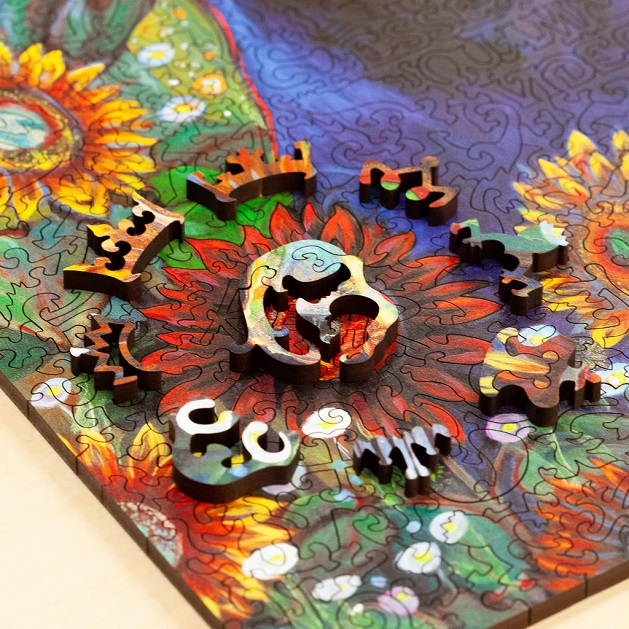

Ever wonder why puzzles never seem to go out of style? Even with the rise of the internet and everything going digital, puzzles never really got replaced by an online version. Holding puzzle pieces, spreading them out on a table, and slowly watching the picture come together is a feeling no screen can match.
They sharpen your mind, awaken your creativity, and even bring people together, and that’s exactly why jigsaw puzzles remain one of the most satisfying pastimes you can dive into today.
Why Do People Like Puzzles?
Puzzles have been around for centuries, and with the way they challenge, entertain, and connect us, it’s safe to say they’ll be sticking around for many more. With options such as a 9-piece kids’ appropriate puzzle and 2000-piece ones for adults, they’re still one of the most enjoyable ways to challenge your mind.
Puzzles as Art Pieces
Beyond brain‑teasing fun, puzzles can be stunning works of art. Today, you can find beautifully designed Kari Lehr art jigsaw puzzles that turn play into lasting visual appeal. So, it isn’t just entertainment; they will turn into something you’ll want to display and be proud of.
You’ll especially enjoy artistic puzzles if painting or drawing isn’t your strength. They let you put real effort into solving, and when you seal and frame the finished piece, you end up with art you’ve invested time and care in, which makes the experience even more rewarding.
Challenge and Brain Teasing
People of all ages pick up on puzzles in their free time because they push them to think differently. Something as simple or as complicated as piecing together a jigsaw tests your problem‑solving skills and rewards you with that satisfying “aha” moment afterwards.
What some people don’t realize is how beneficial puzzle‑solving can be when your brain feels sluggish, and focus seems to be a state that’s hard to reach. If you need to work on a task that requires concentration, spend just 20 minutes on a puzzle first, and you’ll be surprised at how much sharper and more alert your mind becomes.
Psychological Benefits
Puzzles are actually good for your mental health. While you’re trying to solve one, you’re unconsciously putting your problems aside and lowering your stress levels. You also sharpen your memory and even help delay cognitive decline. That mix of calm focus and accomplishment keeps your brain young and healthy.
Social Connection
Solving puzzles can be a shared joy. Whether it’s a casual game night with family or friends, an artistic Kari Lehr puzzle lets you bond with others over the thrill of solving a stunning piece together. And once you start, it’s hard to stop. The mix of challenge and reward keeps you coming back time and time again.
Think of puzzles as brain workouts, stress relievers, and social bridges. Choosing the right one keeps you hooked in the best way.
Choosing the Right Puzzle
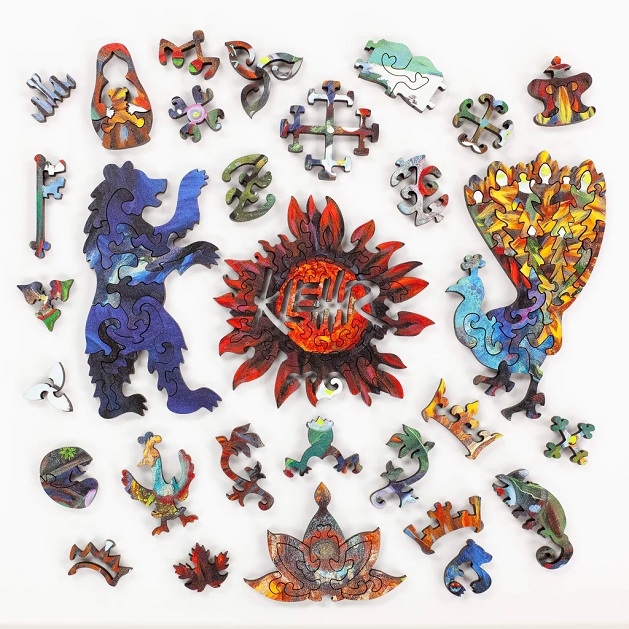
Puzzles come in all shapes and styles. You’ve got jigsaw puzzles that test your visual skills, word and logic puzzles that stretch your brain, and mechanical puzzles that challenge your hands. Each type offers a different way to keep your mind sharp and entertained.
Assessing Difficulty
When it comes to jigsaws, the number of pieces changes everything. If you’re a beginner, start with a 300 to 500-piece puzzle, while 1000‑piece puzzles are better if you need something more challenging. Patterns and big areas of one colour can also make things trickier, so keep that in mind when you’re buying yours.
Themes and Patterns
Themes like maps, fantasy art, wildlife, or famous paintings make them fun too. Picking a puzzle that matches your interests keeps you motivated to finish. For example, if you’re looking for a gift for an art enthusiast, Kari Lehr wooden jigsaw puzzles are a great choice. A puzzle that reflects one’s interests keeps them motivated to finish.
Quality Materials
Good puzzles last longer and feel better to solve. Wooden or vinyl pieces are sturdier than cardboard, and a matte finish prevents glare. Quality pieces with clean cuts make the whole experience smoother and more satisfying.
Find a puzzle that fits your interests, and you’ll turn a simple pastime into hours of mindful fun.
Tips for Efficient Solving
Working on difficult wooden puzzles, such as the Kari Lehr art puzzles, isn’t about forcing pieces together, but rather finding your flow.
The setup matters: grab a steady table, good lighting, and maybe a puzzle mat so you can keep everything safe while you work on it over days. That little “puzzle sanctuary” makes the whole process way less frustrating.
Start by flipping all the pieces heads up and finding the edges. Don’t just go by colour and look at brushstrokes, tiny repeats, or gradients. Pay attention to shapes, too, and as soon as you start noticing tabs and sockets as “families,” you’ll see patterns faster.
Working in trays and building small “islands” of detail like smaller puzzles within the bigger jigsaw lets you move clusters around without breaking them apart. And don’t forget your energy. Work in short sprints, and switch zones when you stall. The best puzzlers know when to pause, reset, and come back fresh.
A Final Word
Puzzles are pastime activities that work as little brain workouts, leaving you feeling sharper and much less stressed. They’re also fun for social game nights and finishing one feels like the group effort paid off beautifully. Pick the right puzzle, give your best, and you’ll come to better understand why people keep coming back for more.