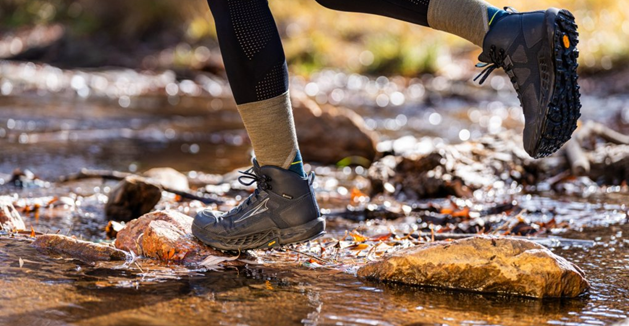

Ever wondered what makes hiking shoes so important? Out on the trail, the wrong pair can turn a fun adventure into a painful slog, but why is that so? And most importantly, how can you make sure you have the right footwear for you?
Here’s why hiking shoes matter, the different types you can choose from, and how to find the perfect fit for your next adventure.
Why Invest in Good Hiking Shoes?
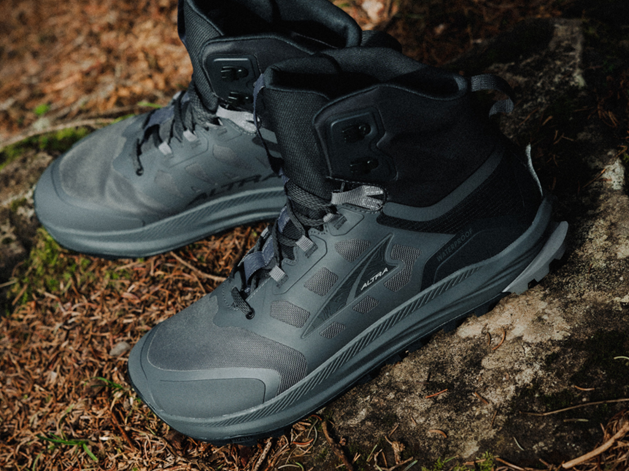
When you’re out on the trail, one of your last worries should be your feet hurting from improper footwear. Today, you’ve got plenty of options when it comes to reliable men’s hiker shoes, and finding the right pair for your preferences can turn the trail from a struggle into joy.
Think of them as your best trailmate. They will keep you steady, protected, and comfortable no matter where the trail leads.
Traction and Grip
Sometimes, to reach that beautiful view at the top of your hike, you will need to push through muddy ground or even climb over wet rock. Regular footwear without a good grip makes every step feel risky.
Men’s hiking shoes are built with sturdy rubber outsoles and deep tread patterns, offering more security with every step. That reliable traction keeps you upright, confident, and moving forward instead of worrying about slipping or sliding.
Protection from the Elements
Let’s be honest: heading out on a real hike isn’t the same as taking a casual walk in the park. Trail conditions can be unpredictable, and sometimes downright tough. Roots, sharp stones, and hidden debris are just a part of it.
Regular hiking shoes shield you from cuts and bruises, but if you’re into more extreme hiking routes, you may want to look for men’s hiking boots. These shoes are also waterproof, keeping you dry and comfortable when the weather turns soggy.
Comfort and Support
Uneven ground can twist your ankle before you even realise it. Look for sturdy midsoles and solid ankle support to keep your stride steady and your arches from screaming on those tough climbs.
Don’t overlook good cushioning with breathable fabrics to keep your feet cool and dry. Less friction means fewer blisters, so instead of limping along, you get to soak in the views and actually enjoy the hike.
Durability and Weight
Lifestyle sneakers might look good, but they’ll wear down quickly if you use them on the trail. Solid men’s hiking trainers, on the other hand, are built to handle rough terrain and last much longer. Opt for the lightweight options for quick day hikes, or heavier boots if you’re planning a multi-day adventure.
Risks of Not Wearing Hiking Footwear
Most hiking injuries involve feet or ankles, which is proof that footwear isn’t just gear, but protection. By wearing the right footwear, you’ll avoid twisted ankles, which are common on unstable surfaces, as well as slips and falls due to poor traction. Improper footwear can also cause blisters from friction, while a lack of support leaves your muscles strained and your body exhausted.
If you’re serious about hiking, don’t cut corners on your shoes. The right pair gives you grip, support, and protection. Add in the comfort they’re designed for, and suddenly every hike feels safer, easier, and a whole lot more enjoyable.
Types of Hiking Shoes for Men
There are different types of men’s hiker shoes. They’re not all ideal for every trail, and honestly, there isn’t one “perfect” option. Each type shines in certain conditions but has trade-offs in others. The key is to match your shoes to your preferred hiking style. Here are the main options:
- Hiking Shoes: These are a blend of boots and trail runners: lightweight, flexible, and breathable. They are best for day hikes or light backpacking, though they offer less ankle support.
- Trail Runners: Opt for these if you’re looking for something super light and built for speed. They perform best on well-maintained trails and short hikes.
- Hiking Boots: The classic hiking option, hiking boots are durable, supportive, and made for rocky trails, steep climbs, and multi-day treks. They give your ankles the protection you’ll want on tougher routes.
- Hiking Sandals: If you’re hiking when the weather gets warm, opt for these. They are great for water crossings, desert terrain, or relaxing at camp, but aren’t suited for bushwhacking or tall grass.
- Approach Shoes: For extra toe support, try approach shoes. Designed with reinforced toe caps and tough rubber, they are heavier than other shoes but offer extra protection if you’re all about steep or undefined trails.
- Ultralight Hiking Shoes: These are built for fastpacking and moving light. They cut down on weight but may wear out quicker and don’t always offer strong waterproofing.
Your shoes should match your typical hiking route. The right pair of men’s hiking shoes and boots will keep you comfortable, confident, and ready for whatever the trail throws your way.
How to Find the Best Fit
Once you’ve figured out the type of footwear you’ll need for your hikes, and you’re looking to buy men’s hiking boots or shoes, make sure they actually feel good on your feet.
They should feel snug but never tight, with enough room to wiggle your toes. It’s best to go shopping for them later in the day when your feet are naturally a bit swollen. This is a kind of guarantee that you won’t end up with shoes that feel fine in the store but are too small halfway through a hike.
Take your time walking around in the shoes. Notice if your heel slips, your toes feel cramped, or if there are any pressure points. If something feels off, try a different size or look for a different model.
And don’t forget to break them in before your first big trip. Even sturdy shoes need time to mould to your feet, and skipping this step can turn a great hike into a painful one.
Final Thoughts
Your men’s hiker shoes are your quiet partner that keeps you steady when the trail gets tricky and comfortable when the road gets too long. Pick the pair that feels right, break them in, and let them carry you toward the views and adventures waiting just around the bend.

