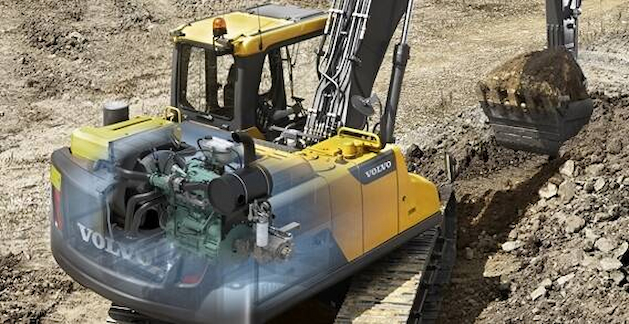

Volvo Construction Equipment regularly ranks among Canada’s and North America’s best-selling heavy construction brands – rivalling industry giants Caterpillar, John Deere and Komatsu for market share – and is chosen for its strong reliability, low ownership costs, fuel efficiency and operator safety. The brand dominates key equipment sectors such as articulated dump trucks and compact wheeled loaders in civil construction, road building and quarrying, and has a diverse catalog of excavators, tracked loaders and specialized equipment, plus the replacement Volvo heavy duty parts for the job.
Volvo Heavy-Duty Equipment – Advantages and Limitations
Globally recognized for high-torque output, dependable hydraulics, top-tier cab comfort and class-leading telemetrics, Volvo’s heavy-duty construction equipment is a popular choice among fleet operators, contractors and site managers. Machines are praised for robust builds, smooth operation, low fuel use with Volvo’s OptiShift technology, and high productivity in large-scale projects.
Long operating hours and use in demanding settings, however, result in advanced parts wear. Engines, hydraulics, drivetrains and undercarriages in all construction brands endure extreme mechanical and thermal stress, often resulting in reduced productivity and downtime from metal fatigue, failing seals, structural cracks and rapid engine wear. Common issues with Volvo equipment include:
- Air and fuel filtration issues: Older machinery can suffer from clogged or worn air filters, leading to advanced wear in engine internals such as piston rings and cylinder liners. Moreover, poor-quality diesel can damage fuel injectors or clog DPFs, restricting engine power under high demand.
- Failed turbos: Shutting down engines without letting them idle starves turbos of oil and causes seal blow-by, bearing damage and abrupt shaft seizure.
- Underperforming hydraulics: Worn pumps and contaminated oil often cause overheating and compromised performance in attachments such as buckets and breakers.
- Undercarriage wear: Seized top and bottom track rollers due to oil leaks aren’t uncommon, causing further track wear.
The OEM vs. Aftermarket Debate
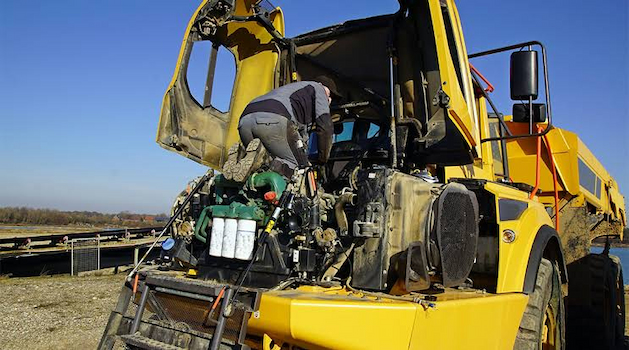
Daily checkups, proper engine warm-up and cool-down routines, and the use of quality OEM or aftermarket Volvo heavy duty parts ensure productivity, longer machinery lifespans, and higher resale values. Go with OEM part replacements for guaranteed fit and compatibility, consistent component quality backed by extensive testing, and when replacing parts and attachments on recent construction equipment still under warranty.
The downsides to OEM Volvo machinery parts are higher initial costs, longer lead times and reduced parts availability for older machinery. These must also be sourced from authorized dealers to resellers – not always an option in remote worksites.
Going aftermarket provides several key benefits for businesses and machinery operators seeking to balance machine performance, parts quality and overall operational costs:
- Aftermarket parts from established third-party brands involve lower costs. Expect to pay 20 to 65 percent less for parts with comparable OEM quality.
- High availability, multiple suppliers and replacement parts for both new and old machinery result in reduced downtime and tasks completed within deadlines.
- Quality varies among suppliers, but there are numerous aftermarket manufacturers of Volvo heavy duty parts that meet or exceed the company’s strict quality requirements. Common examples are pins and bushings, heavy-duty attachments, cab and seating components, track systems and tires in wheeled machinery.
Parts Sold by Volvo Wholesalers
Independent suppliers with extensive parts inventories, fast shipping options and quality replacement parts offered at wholesale prices are the best option for operations with large numbers of Volvo excavators, dump trucks, loaders, backhoes and skid steers. Wholesalers stock all engine, mechanical and hydraulic components and systems, including:
- Engine parts: Complete engine rebuild kits, long-block and short-block engines, turbochargers, camshafts, crankshafts, pistons, connecting rods, fuel injectors and fuel pumps. These restore reliability and engine performance in harsh, dust-laden settings, deal with common issues from thermal and mechanical stress and ensure consistent engine power with proper fuelling.
- High-pressure hydraulic components: Hydraulic pumps, seal kits, hydraulic hoses and couplings. Replacing worn components or entire hydraulics prevents pressure drops and compromised attachment functionality, reduces damage and overheating from oil leaks, and reduced operational downtime with fewer repairs.
- Undercarriage and track components: Machinery is constantly exposed to increased friction from rocks and abrasive dirt, causing gradual wear and stretching in track chains and links, and failure in bottom and top rollers bearing the weight of tracked Volvo heavy-duty machinery. Timely replacements maintain traction and stability, prevent the risk of derailed tracks and more serious structural failure, and reduce rolling resistance which ensures reduced engine stress and lower fuel use.
- Engine filtration kits: Filtration kits are generally sold by maintenance intervals, with bundled parts including primary engine oil filters, fuel filters, water/fuel separators and outer main engine air filters. These isolate abrasive carbon particles, project engines and fuel injectors from impurities and water ingress and lower intake temperatures to prevent overheating and catastrophic engine failure.
Other options are ground engaging tools and assorted attachments when raising machinery productivity; heavy-duty tires to maintain traction on loose ground and prevent blowout risk; and final drives to efficiently convert engine power to power hydraulics, turn tracks and operate attachments.