
A power outage, an unexpected roadside breakdown, or a late-night walk back to camp all have one thing in common—you quickly realise just how valuable a dependable source of light can be. While almost any torch can illuminate a dark room, not every flashlight is built to perform in challenging conditions.
Outdoor adventures and emergencies demand more than simple brightness. They require equipment that keeps working in rain, cold weather, terrain, and periods away from power. If you’re looking for a flashlight that can handle everything from weekend camping trips to emergency preparedness, understanding the features that truly matter will help you make a smarter choice.
The Features That Make a Difference
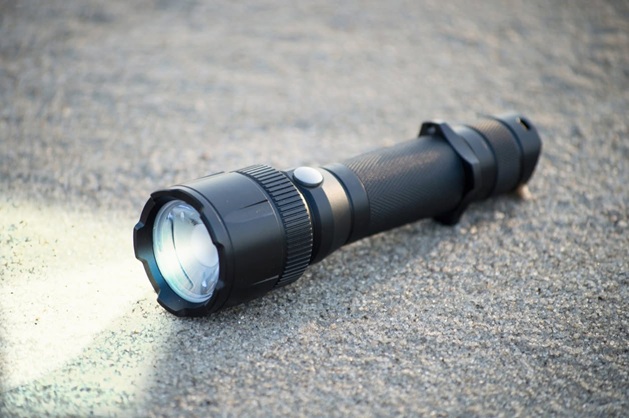
At first glance, many flashlights appear almost identical. They all produce light, fit comfortably in your hand, and often include similar controls. The real differences become obvious when they’re put to the test.
A survival flashlight is built with reliability as its primary purpose. Instead of focusing solely on brightness, these models are designed to keep functioning in demanding environments where failure isn’t an option.
Several characteristics separate them from standard household flashlights:
- Rugged construction that withstands drops and impacts.
- Longer battery life for extended use.
- Water and dust resistance for outdoor conditions.
- Multiple lighting modes for different situations.
- Compact designs that fit easily into emergency kits or backpacks.
These features of compact survival flashlights make them suitable for far more than wilderness adventures. They’re equally useful during severe weather, home power outages, vehicle emergencies, and everyday preparedness.
The best flashlight isn’t necessarily the brightest one on the shelf. It’s the one that continues working when conditions become unpredictable.
Brightness and Beam Distance
Brightness often receives the most attention when shopping for a flashlight, but it’s only one piece of the puzzle.
Light output is measured in lumens, and higher numbers generally mean a brighter beam. However, choosing the highest lumen rating available isn’t always the most practical decision.
For close-range tasks such as reading a map, preparing food around camp, or searching inside a backpack, moderate brightness is often more comfortable and conserves battery life. Extremely bright settings can create glare and drain power much faster than necessary.
On the other hand, situations such as navigating unfamiliar trails or inspecting a distant area benefit from higher output and greater beam distance.
Just as important is the beam pattern itself.
Flood beams spread light across a wide area, making them ideal for campsites, workspaces, and general visibility. Focused beams concentrate light farther into the distance, helping you identify obstacles or locate landmarks well ahead.
Many premium survival flashlights offer adjustable or multiple beam settings, giving you the flexibility to adapt as your surroundings change. Instead of choosing between brightness and efficiency, you can select the level that best suits the moment.
Battery Life and Power Options
A flashlight is only as useful as the power behind it. Whether you’re preparing for emergencies or heading into the outdoors, reliable battery performance should be one of your highest priorities.
Today’s flashlights generally fall into two categories: rechargeable and replaceable battery models.
Rechargeable flashlights have become increasingly popular because they’re convenient and cost-effective. USB charging allows you to top them up at home, in your vehicle, or with portable power banks before heading out on your next adventure.
Models using standard batteries continue to have their place as well. Spare batteries are easy to store, quick to replace, and particularly valuable during extended trips where charging opportunities are limited.
Rather than focusing only on total runtime, consider how efficiently the flashlight manages power across different brightness levels. A model with several lighting modes lets you conserve energy whenever maximum brightness isn’t required.
Useful battery-related features include:
- Battery level indicators.
- Low-power modes for extended runtime.
- Fast USB charging.
- Compatibility with multiple battery types.
- Intelligent power management that maintains consistent brightness.
These features help ensure your flashlight remains dependable throughout longer outings and unexpected emergencies alike.
Durability, Size, and Portability
Outdoor equipment inevitably experiences bumps, drops, and exposure to the elements. A survival flashlight should be ready for all of it.
- Durable construction: Reinforced materials, such as aluminium housings, help protect against drops, impacts, and everyday wear.
- Water and dust resistance: IP-rated protection keeps flashlights working in rain, damp environments, and outdoor conditions.
- Practical size: Compact models are easy to store in backpacks, vehicles, and emergency kits, while larger options may offer longer runtime and stronger beams.
- Comfortable handling: Features textured grips, wrist straps, belt clips, and magnetic bases for convenience.
How to Choose Based on Your Needs
The ideal flashlight depends on how and where you expect to use it. Thinking about your typical activities and emergency plans will help you narrow down the features that matter most, and extras you may never use.
For Camping and Hiking
Outdoor adventures call for equipment that’s lightweight, dependable, and easy to pack.
Look for features such as:
- Long battery life.
- Water-resistant construction.
- Comfortable grip.
- Multiple brightness settings.
- Lightweight design.
A reliable camping flashlight makes setting up camp after sunset, preparing meals, following trails, and navigating around your campsite significantly easier. Choosing a model with adjustable brightness also helps preserve your night vision while conserving battery life.
For Emergency Preparedness
Emergency kits should contain equipment that requires minimal maintenance whenever it’s needed.
Prioritise flashlights that offer:
- Extended battery storage.
- Durable construction.
- Simple controls.
- Efficient power management.
- Multiple lighting modes, including emergency signalling.
Keeping one flashlight in your home, another in your vehicle, and one inside your emergency kit provides additional peace of mind. Rotating rechargeable batteries or checking stored batteries every few months also helps ensure your light is ready when you need it.
For Roadside Emergencies
Changing a tyre, inspecting your engine, or waiting for roadside assistance after dark all become safer with dependable lighting.
Compact flashlights are particularly useful because they’re easy to store inside your vehicle without taking up valuable space. Features such as magnetic mounting, wide flood beams, and rechargeable batteries can also make roadside tasks more manageable.
For Everyday Carry
Compact models are perfect for finding dropped items, walking pets after dark, navigating poorly lit areas, or handling unexpected situations without relying solely on a smartphone light.
An everyday flashlight often becomes one of those tools you don’t realise you need until the moment it proves invaluable. If you’re already carrying keys, a wallet, and a phone, adding a compact camping flashlight or survival model to your pocket or bag can provide an extra layer of preparedness without adding much weight.