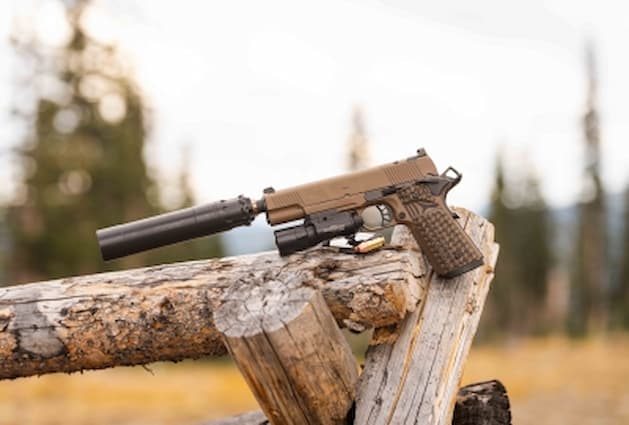

Firearm noise is more than a matter of comfort. The sharp report produced when a firearm is discharged can expose shooters and people nearby to potentially damaging sound levels. Suppressors are designed to reduce this noise by controlling the expanding gases produced during firing.
Although they are sometimes called silencers, the term can be misleading: these devices do not make firearms completely silent. Instead, they reduce the intensity of the muzzle blast, helping limit noise exposure and making shooting environments less disruptive.
Beyond sound reduction, modern suppressors are designed with different firearm classifications and applications in mind. Their construction, dimensions and technical characteristics vary, making it important to understand the distinctions between available categories before considering ownership.
Suppressors: An Overview of Their Role and Types
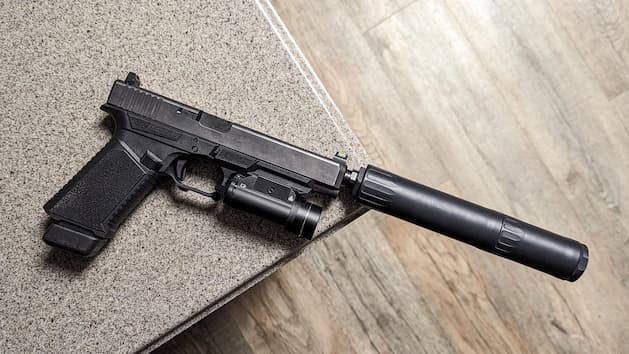
Suppressors are not universal accessories. Their classification generally corresponds to the type of firearm for which they are designed, with pistol, rifle and shotgun suppressors representing three broad categories. Pistol silencers are designed for compatibility with particular handgun platforms, while rifle suppressors are a separate category intended for applicable rifle configurations.
Shotgun suppressors, meanwhile, belong to a more specialised segment of the market—the important distinction when it comes to firearm suppressors concerns sound reduction itself. A suppressor works by containing and slowing the rapid expansion of propellant gases, reducing the intensity of the resulting muzzle blast. Its internal construction typically incorporates expansion chambers and baffles, which help manage those gases.
However, the sound of a supersonic projectile travelling through the air and other mechanical noises remain. Consequently, the reduction achieved varies considerably between firearms and ammunition. Although commonly used interchangeably, the terms suppressor and silencer describe the same device.
Noise Reduction, Construction and Performance Expectations
Silencer construction involves several engineering considerations, including heat resistance, structural integrity, weight and durability. Metal alloys are commonly used because they must withstand substantial thermal and mechanical stress. Stainless steel, titanium and nickel-based superalloys, for example, have different combinations of strength, weight and temperature resistance.
The choice of material influences the overall characteristics of a suppressor, although material alone does not establish its effectiveness. Internal geometry, manufacturing quality and the intended operating conditions also contribute to its performance. Research published in the International Journal of Audiology and available through the CDC has demonstrated measurable reductions in firearmnoise exposure when suppressors are used.
However, the findings also emphasise that reduced sound levels do not eliminate the possibility of hearing damage. Suppressors should therefore be regarded as an additional noise-control measure, not a substitute for established hearing-protection practices.
Different Missions and Ownership Requirements
The current market includes a substantial range of suppressors, covering different firearm classifications, construction approaches and technical specifications. Available models extend across rimfire, pistol and rifle applications, with differences in materials, dimensions, mounting configurations and manufacturer-defined operating limitations.
Understanding these distinctions is particularly important because compatibility is not determined by appearance or general category alone. Manufacturers provide specific technical documentation identifying the firearms and operating conditions for which individual devices are approved. Consulting this information and obtaining qualified professional assistance are essential parts of evaluating any suppressor.
Legal ownership also deserves careful attention, particularly in the United States, where federal and state regulations can differ. As of October 9, 2026, the Bureau of Alcohol, Tobacco, Firearms and Explosives announced changes to its enforcement of certain National Firearms Act provisions concerning suppressors.
The federal $200 making and transfer tax was eliminated, and the agency announced that it would no longer enforce several associated approval and registration requirements for these devices. However, this does not mean that suppressors are entirely unregulated.
The Gun Control Act continues to apply, including applicable background-check and dealer-recordkeeping requirements. State and local restrictions also remain in effect, and some jurisdictions prohibit possession altogether.
Responsible ownership involves more than understanding technical specifications. Legal obligations, hearing conservation and manufacturer guidance all deserve attention. Before proceeding, consider these important points:
- Verify current federal, state and local legislation, including restrictions on possession, transfers and transportation. Consult official regulatory resources.
- Consult the manufacturer’s documentation for information about the device’s approved applications, maintenance requirements, warranty conditions and limitations. Seek qualified professional assistance whenever technical compatibility is uncertain.
- Prioritise hearing conservation even when a suppressor is present. Research from the National Institute for Occupational Safety and Health confirms that suppressed firearm noise can still pose a significant auditory risk. Appropriate earplugs and earmuffs remain important protective measures.
- Review the transfer documentation and applicable dealer requirements before completing any transaction. Changes to federal tax and registration enforcement are not to be mistaken for an exemption from every firearms regulation.
Technical Knowledge Meets Responsible Ownership
Suppressors combine specialised engineering with important legal and safety considerations. Understanding their different classifications, construction characteristics, and limitations provides a more realistic picture of what these devices can and cannot accomplish.
Equally important is recognising that reduced firearm noise does not guarantee hearing safety or remove the responsibilities associated with firearm ownership. Accurate technical information, current regulatory guidance and consistent safety practices remain essential throughout the ownership process.