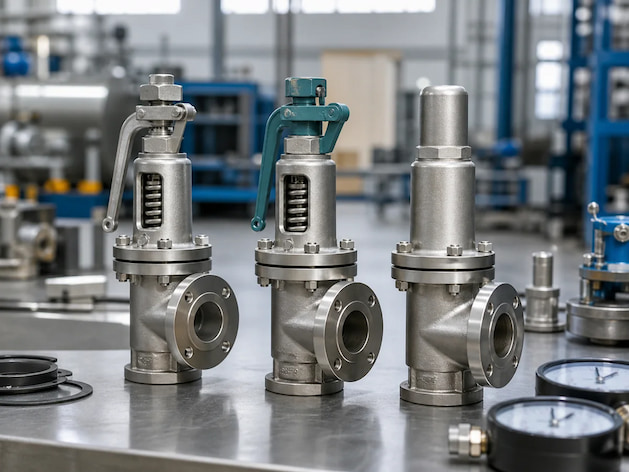

Every fuel storage system has a handful of moments where things can go wrong: the tank fills too high, a delivery hose disconnects unexpectedly, a fitting corrodes, or product seeps past a coupling into the surrounding soil. Universal Valve has built its reputation by making hardware for each of these failure points, rather than treating fuel-system safety as a single problem with a single fix.
Broad Coverage
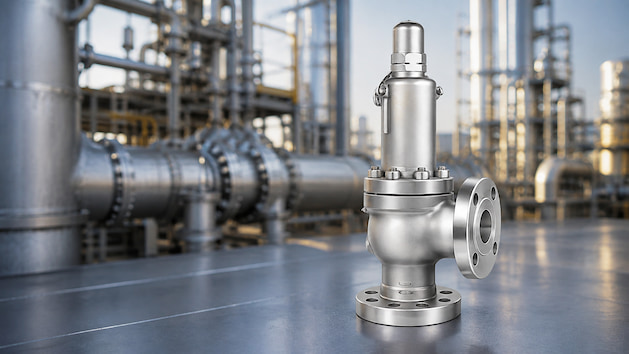
Built around the idea of full coverage, the renowned brand Universal Valve offers a set of parts engineered to work as a system – durable, field-proven hardware for fuel and fluid management systems, spanning universal fuel valves, pipe fittings, tank accessories, and containment equipment engineered for safety and long service life. That range is really the point: a station or fleet yard isn’t protected by one part; it’s protected by a chain of parts that each cover a different risk.
The First Line of Defence: Overfill Protection
Every fuel delivery starts with a truck pumping thousands of gallons into a tank, and one of the most common – and preventable – accidents in the industry is overfilling. If a tank fills past capacity, fuel can back up through vents or spill out during delivery, creating an immediate safety hazard and a costly cleanup.
Overfill protection valves are built to shut off or restrict flow before a tank reaches its limit. Rather than relying solely on a driver watching a gauge, these valves act as a mechanical safeguard, automatically closing when fuel levels get too high. It’s a simple concept, but the engineering behind it matters: the valve has to respond quickly, hold up under repeated use, and function reliably in tanks that see constant wear from fuel, moisture, and temperature swings. This is the kind of unglamorous reliability that keeps a fuel delivery from turning into an environmental incident.
Keeping Fuel Moving Safely: Valves and Fittings
Once fuel is in the tank, it still has to travel through a network of pipes and fittings before it reaches a dispenser. Along the way, fuel valves control pressure, prevent backflow, and stop fuel from siphoning out if a line is damaged. Anti-siphon valves, for example, prevent fuel from draining out of a tank due to gravity if a hose or line breaks – a small piece of hardware that can prevent a major spill.
Emergency valves are another critical piece of this puzzle. These are designed to shut off fuel flow instantly if a dispenser is struck or damaged, such as in a vehicle collision. Given how much traffic moves through a fueling station, this isn’t a hypothetical scenario. It’s a real risk that stations have to plan for, and it’s exactly the kind of failure point that good hardware design accounts for.
What Happens Below Ground: Manholes and Access Points
Underground fuel systems need regular inspection and maintenance, which means technicians need safe, secure access to components buried beneath the surface. Manholes serve as that access point, but they also have to seal tightly enough to keep water, dirt, and moisture from getting into the system. A poorly sealed manhole can allow groundwater to seep in, contaminating fuel or interfering with monitoring equipment.
Universal Valve’s manhole and cover products are built to handle the practical demands of a working station: heavy traffic overhead, exposure to the elements, and the wear of repeated opening and closing for inspections. It’s a good example of how fuel safety isn’t only about the big, dramatic failure points, but also about the smaller details that, if neglected, cause bigger problems down the line.
The Last Resort: Spill Containment
Even with the best valves and fittings in place, spills can still happen. A dropped hose, a failed connection, a moment of human error during delivery. This is where spill containment systems earn their keep. These are typically compact chambers installed around fill points that catch small drips or spills before they ever reach the soil.
It might seem like a minor piece of equipment compared to a valve or a tank, but spill containment is often what determines whether an incident is a quick cleanup or a reportable environmental event. Regulations increasingly require this kind of containment at fuel sites, and for good reason: soil and groundwater contamination from fuel spills can be expensive and slow to remediate.
A System, Not Just a Product Line
What ties all of this together is the idea that fuel safety isn’t about one heroic piece of equipment, but a chain of protections, each one covering a different point of vulnerability. Overfill valves stop problems before they start. Emergency and anti-syphon valves manage risk while fuel is moving. Manholes protect access points from the elements. And spill containment catches what slips through the cracks.
Universal Valve’s product lineup reflects this layered approach, offering hardware for nearly every stage of the fuel handling process. For station owners and installers, that means fewer vendors to coordinate with and a more consistent standard of quality across the system. And for everyone else, it means the unglamorous, underground work of keeping fuel safely contained is quietly being done right.