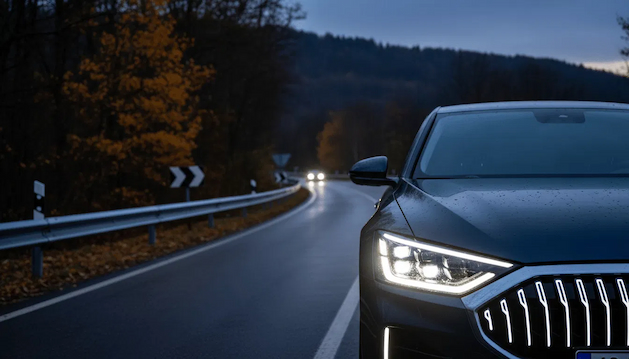

Car headlights do more than just illuminate the road ahead – they’re the primary line of defense against the unexpected. Driving in the dark or during a severe storm significantly increases the risk of accidents, making high-performance headlights crucial for survival.
Modern automotive lighting has evolved into a sophisticated safety system engineered to maximize visibility, signal driver intentions, and protect everyone on the road. Regular maintenance or upgrading to aftermarket car headlights is an easy investment if road safety is your main concern. This addresses dim bulbs, yellowing lenses, and reduced visibility with simple replacement and upgrade options that also enhance your driving experience, improve vehicle aesthetics, and ensure long-term reliability.
Signs It’s Time for a Working Replacement
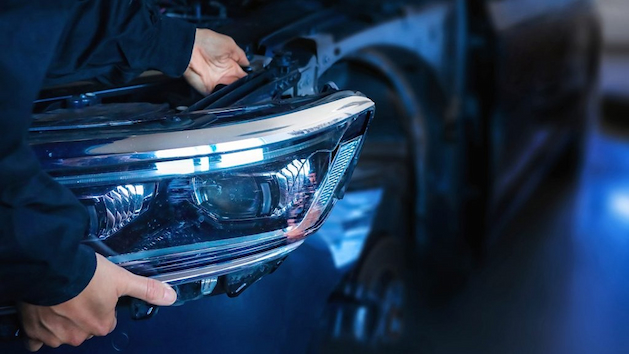
Headlights are often ignored until bulbs blow out, leaving drivers in complete darkness. To prevent accidents and rule out further damage, pay attention to common issues, including:
- Blown bulbs and failing diodes: Dim, fading, or blown bulbs in older assemblies and flickering LEDs in newer vehicles indicate lights are nearing the end of their lifespan. Common causes of wear in both include overheating, damaged wiring, and excessive vibration from rough, unsealed roads.
- Lens oxidation: Headlight lens covers that have been exposed to long periods of direct sunlight and UV radiation can yellow and oxidize, reducing overall brightness even if bulbs or diodes are operational.
- Physical damage: Check the headlights for surface damage such as cracks and housing issues. These can result from road debris, flying gravel, or minor impacts, creating an unrestricted entry point for water and dust. Inspect headlight assemblies for rust buildup, pooled moisture, and whether surface scratches or dents are causing defocused or scattered beams.
- Wiring issues: Often bulbs and diodes fail due to corroded sockets and connectors, frayed or damaged wiring, blown fuses, and faulty dash switches. These can affect left or right headlights, as well as low and high beams.
Choosing the Right Headlight Replacement
Viable replacements come in four basic types: halogens, HID/ Xenon lights, LEDs, and laser headlights, each with distinct advantages in brightness, efficiency, and lifespan.
Halogen Car Headlights
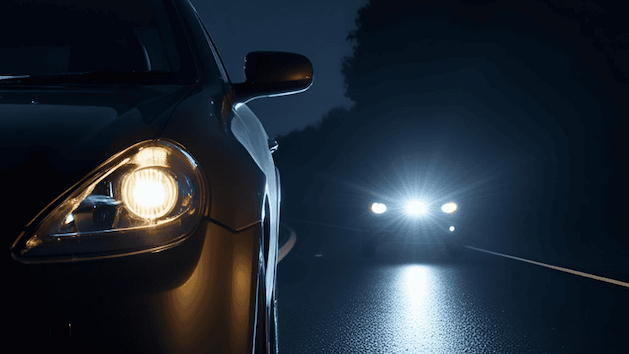
As an older technology, halogen headlights use a tungsten filament mixed with halogen gas to create light. Recognized by their yellowish-orange tint, they are an affordable, simple-to-replace option compatible with older vehicles. While relatively bright, halogens have one of the shortest lifespans (averaging between 500 and 1000 hours of use), a high power draw that can cause battery and electrical issues, and operational problems stemming from excess heat.
HID/ Xenon Headlights
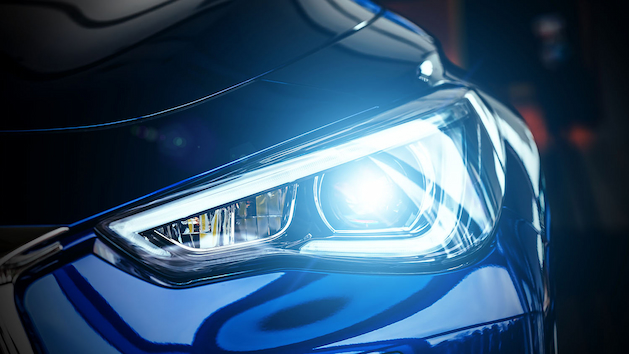
First introduced in the 1990s luxury cars, HID headlights offer a major upgrade over traditional halogens, delivering significantly brighter light and greater throw distance. They produce a crisp, bright blue-white light by passing an electrical charge through a gas-filled bulb, usually Xenon. Complex designs and high prices mean they’ve never really entered mainstream models, despite significantly higher (up to 3 times) brightness levels than comparable halogen bulbs, lower power draw, and considerably longer lifespans. Some drivers also report that their intensity creates unwanted glare for oncoming traffic.
LEDs
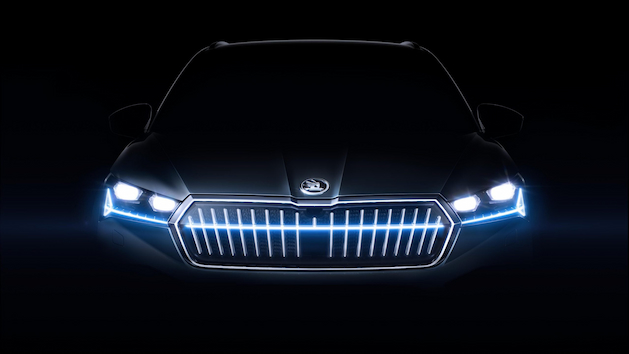
A standard feature in recent cars, LEDs use semiconductors that release energy in the form of photons to emit light. They’re recognizable by their clear, bright light mimicking natural daylight.
Modern versions, though, can be tuned for color temperatures, ranging from cool to warm, reducing glare for oncoming vehicles. Technological advancements have meant that LEDs have some of the longest lifespans among all types (with best-performing versions exceeding 50,000 working hours), paired with very low power draw and instant operation. Compact sizes have additionally provided car makers with more flexibility in terms of headlight designs and placement.
Laser
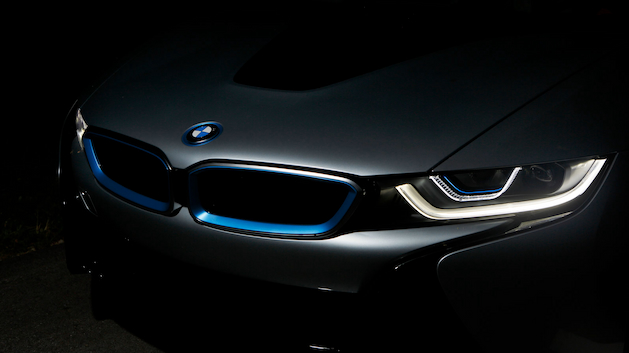
Preferred for their ultra-long beams, intense concentrated white light, and high efficiency (surpassing LEDs by 30 percent), laser lights are a standard feature in high-performance cars and EVs. They use lasers to illuminate a phosphorus gas chamber, which then emits light. The assembly is compact (at a fraction of LED chips), but also expensive to produce and replace.
Common Upgrade Paths
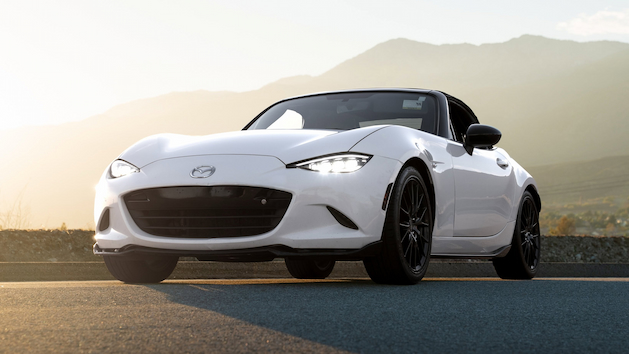
Car owners can select direct replacements from OEM or OEM-equivalent manufacturers, with housing assemblies, bulbs, and wiring that meet strict factory specifications for brightness, fitment, and longevity. Alternatively, there’s more flexibility when upgrading these parameters with aftermarket car headlights. Common upgrade paths are replacing halogens with HID assemblies for longer light throw, higher brightness, longer lifespans, and reduced heat. Newer options include LED conversion kits and projector retrofits if higher efficiency, more compact footprints, natural color temperatures, and contained glare are priorities.
To reduce fitment concerns, ensure conversion kits are compatible with the factory housings in terms of bulb size and socket types. They should also be properly aligned to project light at correct distances without causing glare, and fully compatible with the vehicle’s ECU to prevent electrical errors. Auto headlights must meet all legal requirements relating to colors, beam patterns, and housing designs.