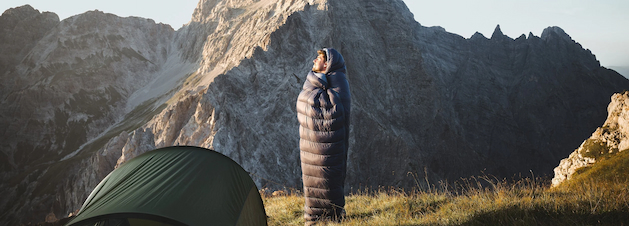

A beautiful campsite can quickly lose its appeal when you spend the night shivering, sweating, or struggling to find a comfortable sleeping position. That’s why your sleeping bag is more than another item to squeeze into your camping pack. It plays a major role in how well you sleep and how prepared you are for changing outdoor conditions.
The challenge is knowing what actually matters when comparing sleeping bags. A lightweight bag designed for summer hiking will not necessarily be suitable for a cold-weather camping trip, while a heavily insulated winter option could be unnecessary for warm nights. Once you know what conditions you are likely to encounter, choosing the right design becomes much easier.
Explore Different Sleeping Bag Shapes
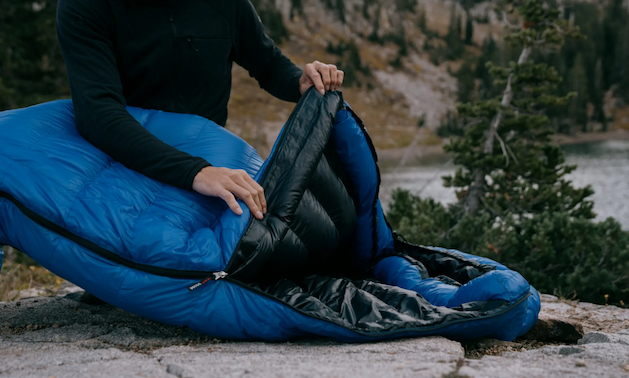
When looking for comfortable sleeping bags for sale, you should know that the shape of the bag can make a real difference to how well you sleep outdoors. If you toss and turn throughout the night, a snug design might feel restrictive, while a roomier option could leave you feeling cold when temperatures drop. Understanding the main shapes helps you find the right balance between freedom of movement, warmth, and portability. Here are the most common designs to consider when preparing for your next camping trip.
Rectangular
Rectangular designs offer plenty of room to stretch your legs, change positions, and move around while sleeping. Their straight sides create a spacious interior, making them a popular option for casual camping, family trips, and overnight stays in milder weather.
Many models feature a full-length zipper, allowing the bag to open completely and function as a blanket when needed. However, the extra interior space means your body has more air to warm, which can make these designs less efficient in colder conditions. Choose a rectangular shape if comfort and freedom of movement matter more to you than keeping your camping gear compact.
Mummy
Mummy sleeping bags for sale feature a tapered shape that follows the body’s outline, narrowing towards the feet and often including a fitted hood. This close-fitting design reduces space inside the bag, helping retain body heat in cooler conditions. Their streamlined construction also makes them a practical choice for hiking and backpacking, where lighter gear and compact packing are important.
The trade-off is reduced room for movement, particularly for people who sleep on their sides or frequently change positions. If you’re planning overnight adventures in colder weather, a mummy bag is worth considering, provided its fit feels comfortable.
Semi-Rectangular
Can’t decide between a snug mummy bag and a spacious rectangular design? Semi-rectangular camping sleeping bags offer a middle ground. They typically provide more room around the shoulders and hips than mummy shapes while tapering towards the feet to limit excess interior space. This combination makes them suitable for campers who want a little more freedom to move without giving up all the warmth-retaining advantages of a closer fit. Depending on the design, they can work well for weekend camping, hiking, and trips where temperatures vary.
Consider the Temperature Rating
Waking up shivering in the middle of the night can quickly ruin an otherwise great trip in the outdoors, so choosing a sleeping bag for camping with the right temperature rating is essential. These ratings indicate the conditions a bag is designed to handle, helping you match your gear to the expected overnight temperatures.
For summer days, a sleeping bag rated for warmer conditions may be sufficient, while spring and autumn trips often call forcamping sleeping gear with better insulation. If you’re heading into colder environments, look for a lower temperature rating that suits the conditions you expect to encounter. Keep in mind that ratings vary between manufacturers, and your comfort also depends on factors such as your sleeping mat, clothing, and whether you tend to feel cold at night.
Choose the Right Insulation

The insulation inside a sleeping bag determines how well it retains warmth, how much it weighs, and how easily it packs into your camping gear. Synthetic insulation is a practical choice for general camping because it dries relatively quickly and continues to provide some warmth in damp conditions.
Down insulation, made from soft bird feathers, offers an excellent warmth-to-weight ratio and compresses easily, making it popular for backpacking and colder-weather adventures. However, it can lose much of its insulating ability when wet unless treated with a water-resistant finish.
When comparing insulation, you may encounter fill-power ratings on down sleeping bags, such as 600, 700, or 800. These figures measure the loft of the down, with higher numbers generally indicating better warmth for the same weight of filling. Synthetic insulation doesn’t typically use fill-power ratings. Instead, compare the bag’s temperature rating, weight, and intended conditions to determine which option suits your trip.
Think about Weight and Packed Size
Carrying a bulky model can become a real burden on long hikes, especially when your backpack already holds food, water, and other essentials. Before choosing one, consider how far you’ll travel and how much room you have available. Lightweight bags that compress into compact stuff sacks are ideal for backpacking, trekking, and multi-day adventures where every gram counts.
Down-filled options, on the other hand, often pack smaller for their level of warmth, while synthetic bags may take up more space. For car camping, however, weight and packed size are usually less important, so you can prioritize comfort and room to move. Check the packed dimensions as well as its overall weight, especially if you’re using a smaller backpack.