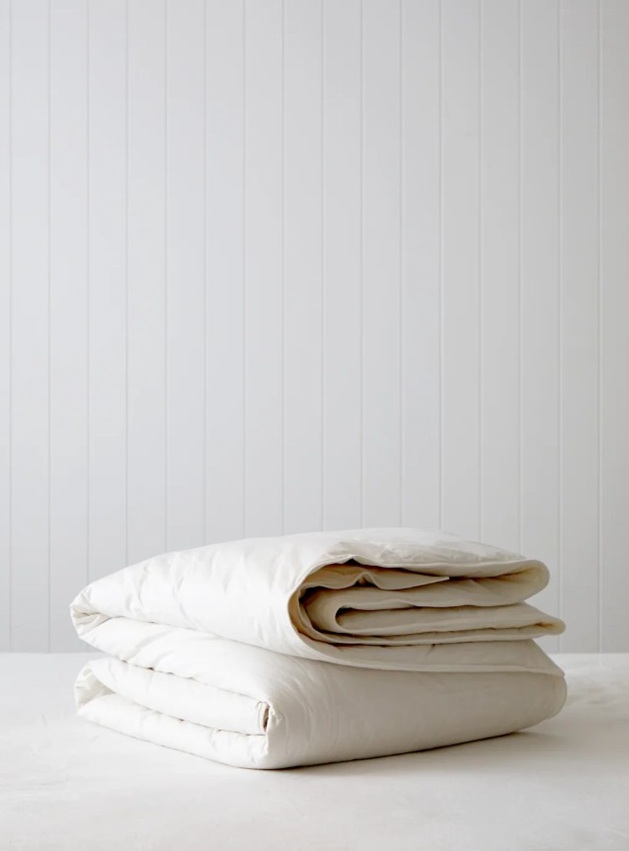

People’s biggest concern these days is bedding thread count and appearance, but do you know the hidden hero of the story?! It’s the duvet inner! This unsung hero of sleep is what actually transforms a basic bed into a cloud-like sanctuary. It’s comforting, fluffy, weightless and warm, perfect for keeping you warm and cosy during those chilly nights. These inserts are designed to trap body heat while managing moisture, which is great for controlling overheating.
Different Types of Inserts
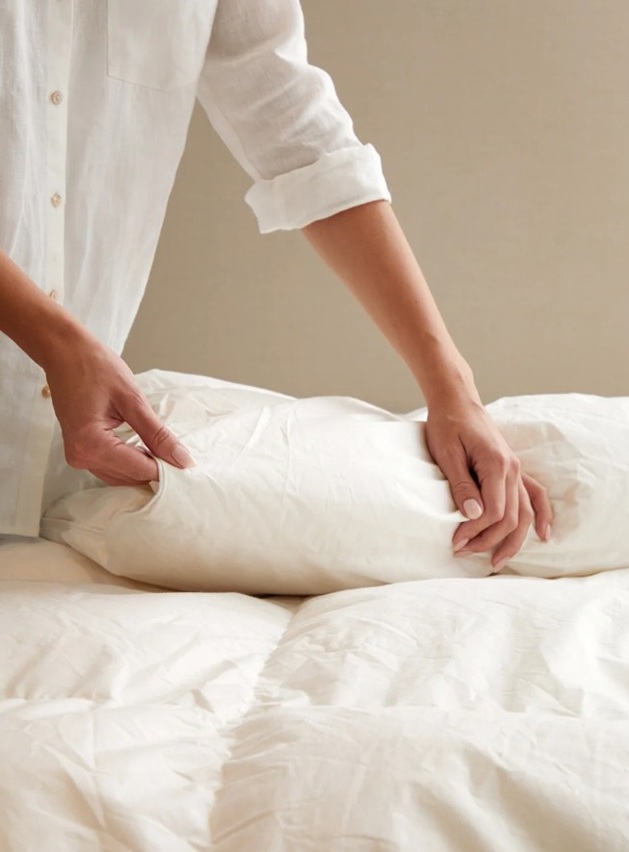
Knowing that these bed accessories are closely related to overheating and sleep, choosing the right one is, in fact, the difference between sleeping on a cloud and sleeping inside a sauna suit. The choice of a good comfy duvet inner is crucial for a comfortable sleeping environment, so considering all types is essential in making the right choice.
Cotton
When it comes to choosing a good duvet inner, nothing beats the one made from cotton. Duvets made from it are great for being breathable, hypoallergenic, antibacterial, and antimicrobial. They are great at controlling moisture without compromising softness.
The greatest thing about this breathable and durable material is its moisture-wicking property. Unlike synthetic materials, cotton is great at wicking away sweat and humidity, helping you stay dry. Being made from cotton means these duvets are great at helping you stay warm in colder months and cool in warmer months, which leads to staying cosy and having a restful sleep. Duvets made from cotton are available in different weights. The heaviest provide extra warmth, making them perfect for those super-cold winter nights.
Wool
Wool is just another natural and sustainable fibre that is biodegradable and renewable, making it one just another good option for duvet insert. Duvet inserts made from it are eco-friendly and insulating, keeping you warm in winter and cool in summer. Being breathable means this duvet is great at wicking away moisture while being hypoallergenic.
Just like cotton, duvet inserts are available in a selection of different weights to suit different temperatures and preferences. Consequently, the heavier the weight, the warmer the duvet.
Down and Feather
A down and feather duvet is made from soft down and duck feathers, where the former provides warmth, and the latter provides structure. When combined, both of these filling materials provide a balance of weight and warmth. Down and feather inserts are popular for their excellent insulation, light and fluffy feel and increased breathability. It’s also great at retaining heat, making it suitable for those cold winter nights.
Silk
Those of you who are after something more luxurious can always take into consideration the ones made of silk. Being made from natural fibre, these silky, shiny and luxurious-looking donnas are soft, light, hypoallergenic and temperature-regulating. They are also great at wicking away moisture, which contributes to greater comfort, but the thing that sets them apart from the rest isn’t their appearance but also their price. The entire process of making silk is hard and takes time and effort, not to mention the process of making silk donnas, which explains their higher price tag.
What Is the Right Fill Weight?
Choosing the right weight is closely related to your needs and personal taste. An important thing to know, though, is that each fill weight is primarily measured in GSM (Grams per Square Meter), which represents the density of the filling inside. Consequently:
- Cotton – The ideal weight for summer is 150 – 200 GSM, all-season 250 – 300 GSM and winter 350 – 400+ GSM.
- Wool – The ideal weight for a wool duvet in summer is 200 – 250 GSM, all-season 300 – 400 GSM and winter 500+ GSM.
- Down/Feather – The ideal weight for a down/feather duvet in summer is 80 – 110 GSM, all-season 150 – 180 GSM and winter 220 – 250 GSM.
- Sik – The ideal weight for a silk duvet in summer is 150 – 180 GSM, all-season 250 – 320 GSM and winter 400 – 500 GSM.
Which Size to Choose?
The golden rule when buying this bed accessory is choosing one size larger than your mattress. That way, the donna will drape beautifully over the bed sides, covering the mattress base, but most importantly, it will prevent the constant fight over the cover.
How to Care for It?
Given the fact that each material is different, there isn’t really a one-size-fits-all care guide. The one thing that stays the same for all of them is to always use a cover to protect the inner part from sweat, body oils, dust and dirt. For further care steps, make sure to read the label in order to keep it in perfect shape. While some can be washed at home, others require professional washing or even dry cleaning. So, make sure to follow the care label instructions to keep them in perfect shape