
For many years, buying a mattress was a major financial milestone, often involving high-pressure showrooms and four-figure price tags. However, the mattress-in-a-box revolution, coupled with the latest advancements in material science, has completely levelled the playing field. You no longer have to choose between a good night’s sleep and your savings account, as you can still get spinal support and cooling tech without the luxury markup. Here are some tips on how to navigate the budget mattress market.
Sizing Up Support by Sleep Position
Your sleep position plays a big role in how much room you need to move, stretch, and maintain proper alignment. Therefore, getting the right size is crucial for your body’s support throughout the night.
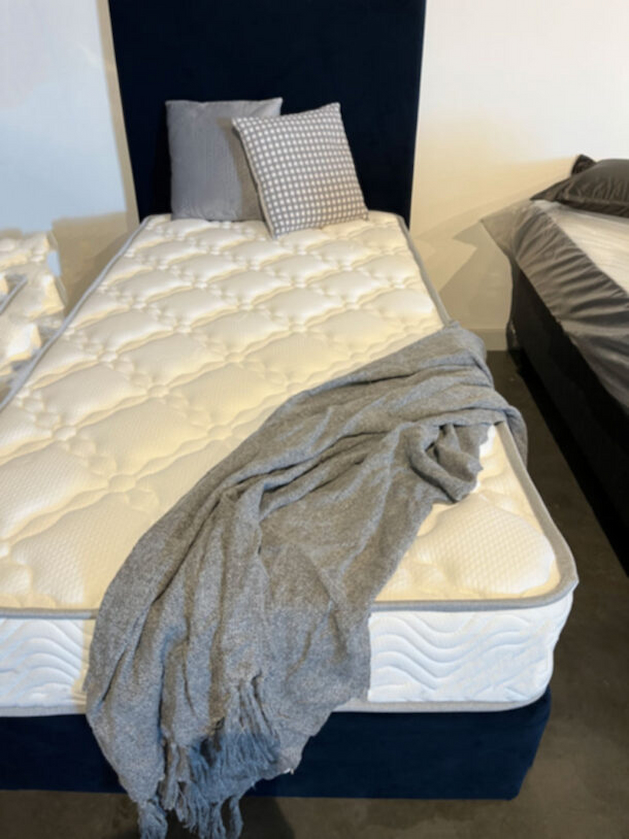
Score a high-end sleep for less with a durable, budget double mattress. Double sizes are often seen as the sweet spot for affordability and functionality. They provide more room than a single bed, allowing sleepers to shift positions without constantly feeling confined. This is especially helpful for combination sleepers who rotate between their back, side, and stomach during the night. The extra width compared to a single gives enough space to extend arms or bend knees naturally, supporting better posture regardless of sleeping style.
For solo sleepers, a double mattress offers a noticeable upgrade in comfort. Side sleepers, for instance, benefit from the added width when drawing their knees upward, while back sleepers can spread out more evenly without their arms falling off the edges. Even stomach sleepers, who often need a bit more space to adjust their torso and leg positioning, will find a double-size accommodating.
From a budget perspective, double mattresses are widely accessible, making them an appealing choice for students, young professionals, or anyone furnishing a bedroom without overspending. They often fit well in smaller rooms, leaving enough space for movement and additional furniture. This balance of size and cost makes them highly versatile.
However, when it comes to sharing, double mattresses can feel restrictive. Two sleepers may struggle to maintain comfortable positions without encroaching on each other’s space, particularly if both tend to move during the night. While a budget double mattress can work for occasional sharing, it is generally better suited for individual use, where its supportive dimensions can be fully appreciated.
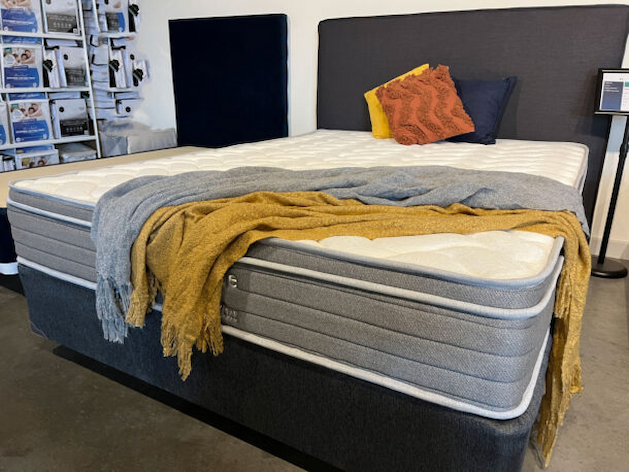
Smaller options, like a budget single mattress, are ideal for compact spaces but may limit movement, especially for active sleepers. On the other hand, larger budget mattresses such as queen and king sizes provide significantly more room, making them better suited for couples or those who prefer unrestricted movement.
These larger options are particularly beneficial for side sleepers who need extra space to stretch or for anyone who frequently changes positions overnight. While they come at a higher cost and require more room, they enhance overall comfort by allowing each sleeper to maintain proper alignment without compromise.
Material Breakdown: Foam vs. Hybrid
When comparing mattress materials, foam and hybrid designs stand out for their distinct approaches to comfort and support.
Foam options are typically constructed from layers of memory foam or polyfoam, creating a uniform, contouring surface. Visually and structurally, foam offers a smooth, consistent feel that adapts closely to the body’s shape. This can reduce pressure points and create a cradled sensation, making it a popular choice for those who prefer a more enveloping sleep surface.
Hybrid mattresses, on the other hand, combine foam layers with an internal coil system. This dual construction introduces a more structured and responsive feel. The coils add a level of lift and airflow, while the foam layers on top provide cushioning and surface comfort. As a result, hybrids tend to feel more balanced, neither too soft nor overly firm.
The Red Flags of Budget Bed Shopping
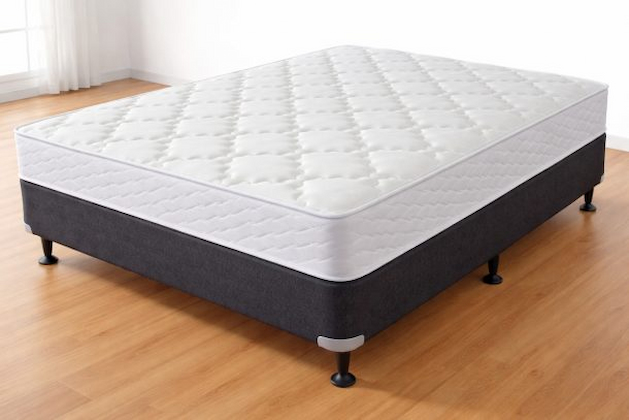
Buying a mattress on a budget can be a smart move, but it’s also where many shoppers get caught out. With so many low-priced options available, it’s easy to focus on savings and overlook warning signs that point to poor quality or short lifespan. Knowing what to avoid is just as important as knowing what to look for. Spotting red flags early can save you from discomfort, frustration, and the need to replace your bed far sooner than expected.
Prices that Feel Too Good to Be True
A heavily discounted mattress might seem like a win, but extreme price drops can signal compromised quality. If a deal looks unrealistic compared to similar products, it often means corners have been cut, whether in construction, durability, or overall performance.
Vague or Missing Product Details
Clear information matters. If a product description avoids specifics about materials, structure, or dimensions, that’s a warning sign. Reliable retailers are transparent about what’s inside the mattress and how it’s built.
No Trial Period or Warranty
A trustworthy purchase usually comes with a trial period and a reasonable warranty. If these are missing or are extremely limited, it suggests the seller may not stand behind the product.
Poor Reviews or Inconsistent Feedback
Customer feedback can reveal patterns. Repeated complaints about sagging, discomfort, or short lifespan shouldn’t be ignored, no matter how appealing the price may be.
Overhyped Marketing Claims
Be cautious of exaggerated promises like “perfect for everyone” or “guaranteed best sleep.” Overhyped claims often mask a lack of real quality or thoughtful design.