

Modern folding knives have shifted far beyond simple utility tools. They now sit in a space where durability, control, and portability all matter at once. Among the most recognizable designs is a blade style shaped for strength at the tip and stability along the edge, often chosen for tasks that demand confident piercing and clean slicing.
The appeal lies in its structured geometry, which removes unnecessary fragility while keeping the blade compact enough for everyday carry. This balance between toughness and practicality is what makes this category consistently relevant, especially for users who value dependable performance without extra bulk.
Strength Carved Into the Edge
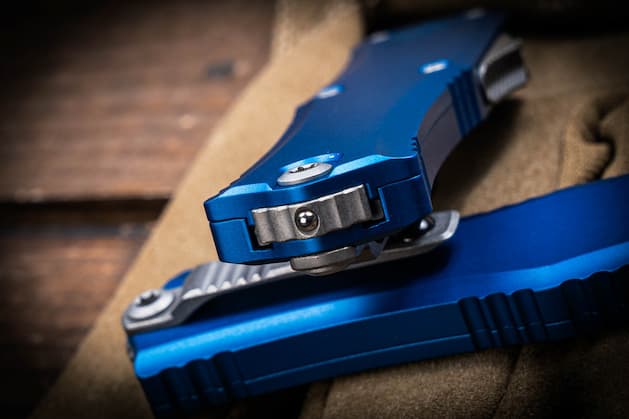
The defining feature of knives with tanto blade is the angular tip construction. Unlike curved profiles that prioritize slicing flow, this design uses a reinforced point formed by two straight edges meeting at a firm angle. That structure improves resistance under pressure, particularly during piercing tasks where weaker tips tend to fail or bend. It also allows more controlled force distribution along the blade, making it reliable for repetitive utility work.
In folding formats, this shape is paired with locking mechanisms that stabilize the blade during use, ensuring it behaves more like a fixed tool once deployed. The result is a compact design that doesn’t compromise on strength, even when used in demanding environments such as outdoor tasks, packaging work, or general utility handling. It’s important to select knives with tanto blade that match both handling style and cutting demands to improve stability, control, and confidence during everyday use.
Designed for the Pocket
Everyday usability depends on more than blade shape alone. Opening systems play a major role, with assisted or manual deployment methods allowing quick access when needed. A well-designed locking system ensures the blade stays secure under pressure, preventing unwanted movement during cutting tasks. Handle construction also affects real-world comfort.
Textured surfaces improve grip stability, especially in wet or high-pressure conditions, while ergonomic shaping reduces fatigue during extended use. With many designs, the priority is on using lightweight materials to maintain portability without sacrificing strength. These combined elements reflect a broader shift toward practical everyday tools that can adapt across multiple environments, from urban carry to outdoor utility use, without feeling overbuilt or inconvenient.
Steel, Balance, and Long-Term Performance
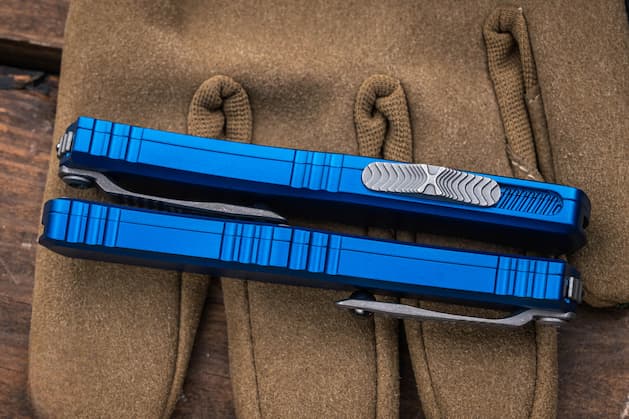
Material selection directly influences how well a blade performs over time. High-carbon stainless steels are commonly used because they retain sharpness while resisting corrosion in variable conditions. Edge retention is especially important for users who rely on consistent cutting performance without frequent sharpening.
Balance also plays a crucial role. A well-centered blade reduces strain on the wrist and improves accuracy during controlled tasks. Weight distribution between handle and blade affects not only comfort but also safety, since unstable handling increases the risk of slipping or overcutting.
Maintenance expectations are equally important. Simple cleaning routines and occasional sharpening help preserve edge quality and structural integrity, extending the lifespan of the tool significantly. The tanto knife remains a strong choice because its geometry supports both durability and controlled force application, making it suitable for users who need reliability across varied tasks rather than specialized single-purpose use.
Sharp Design
Aesthetics and functionality often overlap in modern tanto knives, but the most effective tools avoid unnecessary complexity. Finishes can influence resistance to wear, with matte or coated surfaces helping reduce glare and improve scratch resistance. Handle shapes vary to suit different grip preferences, but the most effective designs maintain simplicity while supporting secure control.
Compact folding systems are especially valued for reducing pocket bulk while still offering full operational strength when deployed. This makes them suitable for users who prefer discreet carry without sacrificing capability. The focus remains on streamlined design choices that support function first, with appearance acting as a secondary benefit rather than the main feature.
Smart Selection and Everyday Use
Below are some tips when using and choosing which blade to get. Practical evaluation often highlights comfort, smooth operation, and maintenance requirements as key deciding factors. Remember to:
- Prioritize balance between blade weight and handle stability to ensure controlled handling during repeated use.
- Select a locking mechanism that engages firmly and releases smoothly for safe, predictable operation.
- Assess grip texture under different conditions to ensure consistent control in dry, wet, or high-pressure situations.
- Evaluate steel quality based on edge retention and corrosion resistance rather than initial sharpness alone.
- Maintain regular cleaning and light sharpening routines to preserve performance and extend tool lifespan.
An Edge Designed to Last
Tanto point knives deliver a balance of strength, comfort, and reliability without unnecessary complexity. Geometry, materials, and construction all work together to determine how well this tool performs across everyday tasks.
The structured form of a tanto-style edge continues to stand out for users who value controlled piercing strength and dependable durability. When selection is guided by function, the result is a tool that remains practical across years of use, adapting easily to both routine and demanding conditions.


