
Small but Serious
Compact firearms have steadily gained popularity among shooters who value maneuverability without sacrificing effectiveness. Their rise reflects a shift toward firearms that can adapt to multiple roles, from recreational shooting to personal defense. The AR pistol is central to this trend, offering a firearm that blends the portability of a handgun with the firepower of a rifle.
Power Packed in a Short Barrel
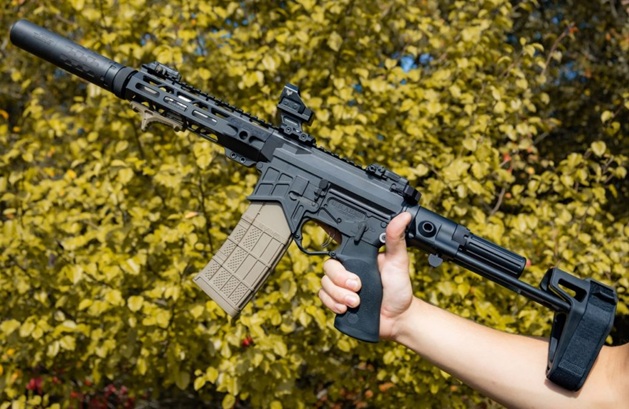
The defining feature of the AR pistol is its short barrel, typically less than 16 inches, which makes it easier to handle in confined spaces. Despite its reduced size, it retains the modularity of the AR-15 platform, allowing shooters to customize with optics, braces, or muzzle devices.
Chamberings such as 5.56 NATO and .300 Blackout are common, ensuring compatibility with widely available ammunition. This combination of compactness and adaptability makes the AR pistol suitable for home defense, tactical training, and sport shooting.
Short barrels do come with trade-offs; Velocity drops compared to full-length rifles, which can affect ballistic performance at longer ranges. However, for most practical applications, especially close-quarters defense or range practice, the reduced size is a benefit rather than a drawback.
The lighter weight also makes it easier to carry and maneuver, particularly for shooters who want a firearm that doesn’t feel cumbersome. That is why purchasing your first AR pistol can be an amazing investment for you, offering a balance of modern engineering and versatility.
What to Look For?
Selecting the right firearm requires careful consideration. Barrel length is critical: shorter barrels enhance maneuverability but reduce velocity, while slightly longer barrels improve accuracy at range. Ergonomics, like grip design, trigger quality, and control placement influence comfort and precision. Materials such as forged aluminum receivers and nitride-treated barrels provide durability without excessive weight. Shooters often compare AR pistols with AK ones.
The latter emphasizes rugged simplicity and reliability, while AR pistols focus on precision and modularity. When weighing alternatives, consider your intended use. If you want a firearm that excels in customization, the AR pistol is unmatched. If you prioritize ruggedness and simplicity, AK pistols may appeal. Both deliver compact firepower, but the AR pistol’s adaptability makes it a strong choice for those who want a platform that grows with them, unlike the AK pistol.
Tough by Design
Durability is one of the defining features of AR pistols. Receivers are typically made from aluminum alloys, balancing strength and weight. Barrels often feature chrome lining or nitride finishes to resist wear and corrosion. These treatments extend the firearm’s lifespan and maintain accuracy even under heavy use. The modular AR platform also allows shooters to replace or upgrade components, ensuring long-term resilience.
Attention to materials doesn’t just affect longevity; it also influences performance. A well-treated barrel maintains consistent accuracy, while a sturdy receiver ensures reliable cycling. For shooters who plan to use their firearm regularly, investing in quality construction pays dividends in both safety and satisfaction.
Smart Habits Before You Buy
Owning a firearm requires preparation beyond the purchase. Training is essential, as the compact size of AR pistols can make recoil management challenging. Techniques such as proper stance, controlled breathing, and trigger discipline improve accuracy and safety. Tactical shooting drills, including close-range and standoff exercises, help shooters adapt to different scenarios.
Safety extends to responsible storage and awareness of local regulations. In many jurisdictions, AR pistols are classified differently from rifles, often avoiding restrictions applied to short-barreled rifles under the National Firearms Act. Understanding these distinctions ensures compliance and avoids legal complications.
Practical preparation also includes maintenance. Regular cleaning of the bolt carrier group, barrel, and gas system keeps the firearm reliable. Lubrication prevents wear and ensures smooth cycling. These habits, combined with consistent training, make ownership safer and more rewarding.
Range-Ready Tips to Lock in Reliability
- Maintenance cadence: Clean and inspect regularly; focus on bolt, gas system, and barrel to sustain accuracy and smooth cycling.
- Ammo pairing: Match chambering to use case: 5.56 NATO for broad availability and general training; .300 Blackout for short-barrel performance and suppressed setups.
- Accessory discipline: Add only what improves outcomes, such as clear optics, practical sling, and a sensible muzzle device; avoid weight creep that undermines handling.
- Training blocks: Combine accuracy work (slow-fire groups) with time-bound drills (shot cadence, movement, and target transitions) for well-rounded skills.
Ready for the Range
AR pistols excel in versatility. Their compact size makes them easy to transport, while their compatibility with standard AR components allows for extensive customization. They can be tailored for home defense, sport shooting, or tactical training, depending on accessories and setup.
The appeal lies in everyday usability: compact dimensions, modular upgrades, and accessible controls create a platform that adapts to changing needs. Whether you prioritize home defense readiness, skill progression at the range, or a setup that grows with you, the blend of portability and capability makes this category compelling. Choosing carefully, practicing consistently, and maintaining the firearm methodically turn that compact form into dependable performance.