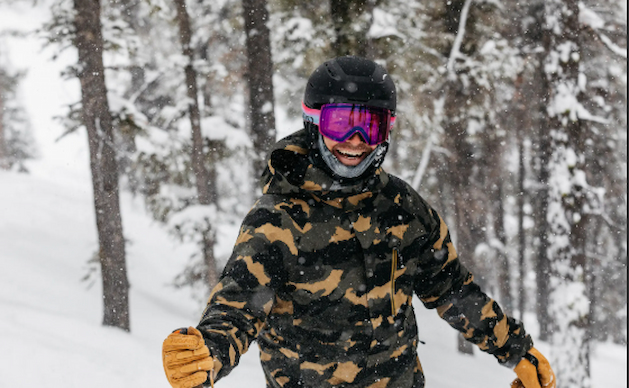

When you head into the mountains, you want your focus on the snow beneath your skis or board, not on irritated eyes or blurry vision. The right goggles quietly do a lot of heavy lifting for you. They keep cold air out, sharpen what you see, and protect your eyes from glare and UV rays. Get them right, and your whole day feels smoother, safer, and more fun. Get them wrong, and even the best conditions can feel like hard work.
Make Sure the Fit Is Right
If there’s one thing you shouldn’t compromise on, it’s fit. You wear goggles on your face all day, so they need to feel natural, not distracting.
When you put a pair of snow goggles on, they should sit snugly against your face without pinching. The foam padding should create a gentle seal, especially around your nose and cheeks. If you feel gaps, cold air will sneak in, and warm air will escape—both of which can lead to fogging and discomfort.
Pay attention to how the goggles work with your helmet, too. Ideally, the helmet and goggles meet neatly, without leaving an exposed strip of skin on your forehead. That gap might look minor, but it can feel icy cold halfway down a run.
A good fit usually means:
- Even pressure all the way around your face.
- No pinching on the bridge of your nose.
- No large gap between the helmet and the goggles.
- A strap that feels secure but not tight.
The strap itself matters more than you might think. A wide, adjustable strap with a grippy backing helps keep everything in place, even when you’re moving fast or adjusting layers. If you can, try goggles with your helmet before committing. Your face will tell you quickly if something isn’t right.
Choose the Right Lens Colour
Lens colour isn’t just a fashion choice—it directly affects how well you see. The right colour helps you spot changes in terrain, judge depth, and feel more confident in different light conditions.
On bright, blue-sky days, darker lenses work best. They cut down glare and reduce eye strain, which makes long days in strong sunlight far more comfortable. In mixed or variable conditions, lenses with a rose, bronze, or brown tint often feel more forgiving. They boost contrast, helping bumps and shadows stand out more clearly.
On cloudy days or in flat light, lighter lenses really shine. Yellow or clear lenses let more light through, which can make everything look sharper when the world turns grey.
You might find it helpful to think of lens colours like this:
- Dark grey or black for strong sun and clear skies,
- Rose, bronze, or brown for all-around use and mixed light,
- Yellow or clear for overcast days, snowstorms, or low light.
Many people use the term ski goggles as a catch-all, but if you ride in changing weather, interchangeable lenses can be a game-changer. Swapping lenses takes seconds and can completely transform how confident you feel on the mountain.
Explore Anti-Fog Features and UV Protection

Few things are more annoying than fogged-up goggles halfway through a run. Luckily, modern designs do a much better job of keeping your vision clear—if you know what to look for.
Double lenses are a must. They create a thermal barrier that helps prevent condensation, much like double glazing in a house. Most quality goggles also include an anti-fog coating on the inner lens, which further reduces misting when your body heats up.
Ventilation plays its part too. Well-designed vents allow air to circulate without letting snow in, helping balance temperature and moisture inside the goggles.
To keep anti-fog features working properly, remember:
- Avoid touching the inside of the lens,
- Let the goggles air-dry naturally after use,
- Store them in a soft pouch, not loose in a bag.
UV protection is just as important. Snow reflects sunlight, which means your eyes get hit from above and below. Even on cloudy days, UV rays can cause eye strain and long-term damage. Always look for lenses offering full UV protection—it’s essential, not optional.
Good fog resistance and solid UV protection work together to keep your eyes relaxed and your focus sharp, no matter how long you’re out.
Consider Your Activity Level
How you ride should guide what features you prioritize. Think honestly about how you spend your time on the mountain.
If you’re new to skiing or snowboarding, comfort and clarity matter more than cutting-edge tech. You’ll benefit most from goggles that fit well, resist fog, and offer a versatile lens colour that works in most conditions. You don’t need every premium feature to enjoy your day.
If you ride harder or faster, your needs change. Higher speeds and more physical effort generate heat, which increases the chance of fogging. Wider fields of view, better ventilation, and quick-change lenses can all improve your experience.
Ask yourself a few simple questions:
- Do you mostly cruise, or do you ride aggressively?
- Do you go out occasionally or every chance you get?
- Do you ride in all conditions or wait for perfect weather?
If you’re often out in changing light or tough conditions, investing a bit more can pay off in comfort and performance. For keen riders, features that feel unnecessary at first often become favourites over time.
Clear Vision Means Better Days
Choosing ski goggles doesn’t need to feel complicated. When you focus on fit, lens colour, fog resistance, and how you actually ride, the right choice usually becomes obvious. Well-chosen snow goggles fade into the background, letting you concentrate on the feeling of carving turns, floating through powder, or simply enjoying the view from the lift.
Whether you’re browsing a collection online or comparing options in person, trust how the goggles feel on your face and how clearly you can see through them. When your vision is clear, and your eyes feel comfortable, every run feels better—and that’s exactly how time in the mountains should be.