
Australian winters are unlike any others. From June to late August or early September, the Northern areas experience warm and pleasant days, while the South has cold and dry weather, leaving its citizens shivering in the wind.
Poor temperature insulation in Australian homes often makes the outdoors feel warmer than the cozy indoors, which further accentuates the importance of staying warm and well-protected at all times. Here are some tips and tricks on how to protect yourself and your loved ones from the biting winter temperatures!
The Art of the Right Winter Wear
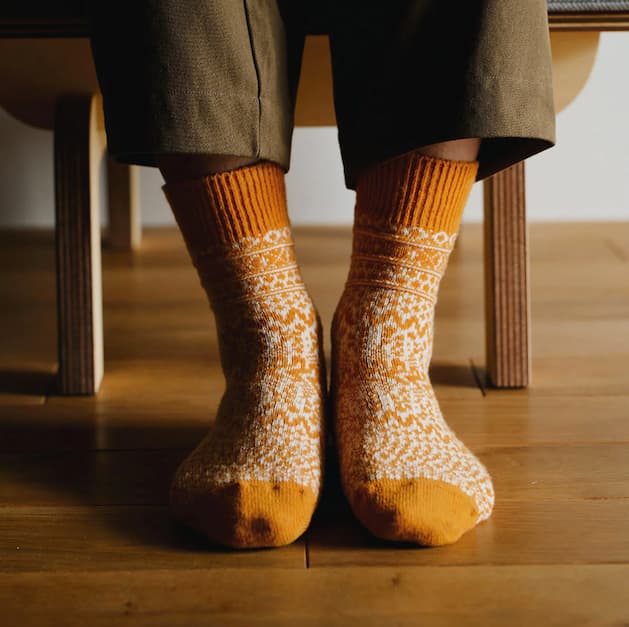
The most important element for protecting yourself from cold weather and illnesses during the winter months is the right clothing. Learning how to choose the correct materials and layering techniques allows you to have a better grasp of the ever-changing daily temperatures and to prevent both freezing and overheating.
How to Stay Warm Outside
The foundation of dressing for winter weather lies in the right layering technique. The ideal winter outdoor outfit consists of three main layers: a moisture-absorbing base layer, an insulated middle layer, and a protective outer layer.
The base layer is important because it prevents you from feeling sticky and damp underneath the abundance of clothes. For a base shirt, consider a long-sleeved top and some thermal leggings made of materials such as merino wool, polyester, or silk. You can also put on some organic socks made of wool. This layer needs to be tight over your skin, while preventing you from excessive sweating and overheating.
The middle layer is the one that will trap your body heat and keep your body insulated. The ideal clothing items for this layer are cozy knitted sweaters, a warm hoodie, or a lightweight fleece jacket. Keep the layers warm, yet breathable.
The top layer should be waterproof to protect you from wind, rain, and snow. This layer is the most important one and is essential to keeping you warm outside. Choose items such as waterproof puffer jackets or high-quality winter coats.
Pair these layers with some cozy accessories, such as a long scarf, fluffy mittens, and the right fur-lined winter boots, and you are all set to take on the great outdoors.
How to Stay Warm Indoors
While layering your outfit is both stylish and ideal for the outdoors, it can get uncomfortable and even suffocating, sitting inside all day with multiple layers. That’s why the few layers you wear indoors need to be comfy and made of high-quality materials.
Cosy Socks
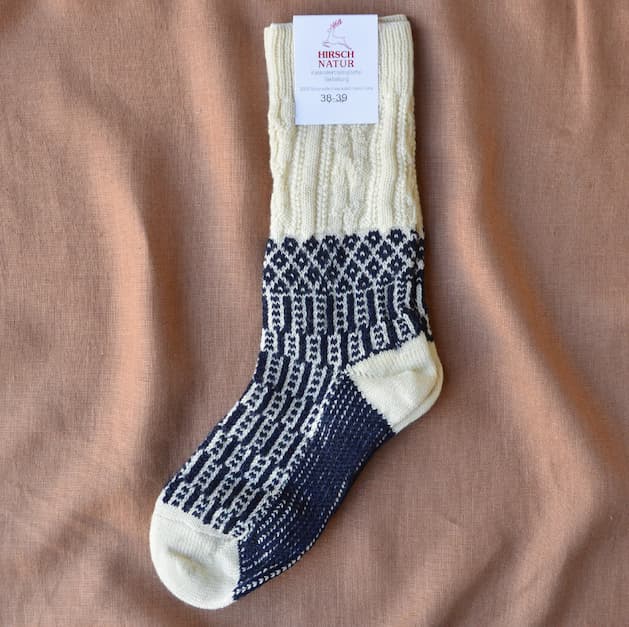
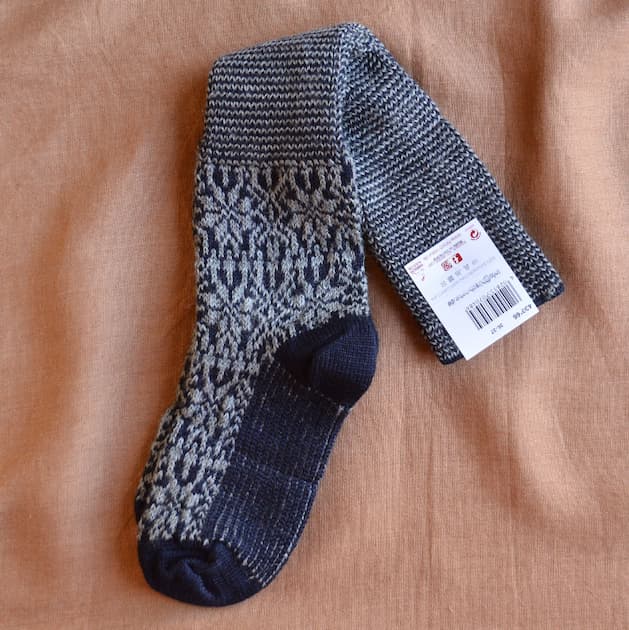
For absolute warmth, it’s essential to buy organic socks made from premium materials. The warmth in your body starts from the ground up, and you can never go wrong with organic socks for the cold winter days.
Some of the benefits of wearing organic socks in winter are:
Insulation: Organic socks are composed of high-quality merino wool, which provides superior insulation by trapping heat and retaining warmth.
Moisture Absorption: One of the best features of woollen socks is their ability to absorb sweat and release it in the air, which in turn prevents moisture from building up and making your feet feel clammy.
Reduced Irritation: Organic socks are made from all-natural fibres free from any harmful chemicals that may irritate your skin
Odour Reduction: Merino wool, which is the material that organic socks are composed of, is an organic fibre with antibacterial properties, which prevents bacteria from growing, and in return keeps your feet fresh and odourless.
Temperature Regulation: Merino fibres retain warmth while allowing air to get through the material at the same time. This process keeps your feet from overheating and keeps them at an ideal temperature.
Indoor Slippers
A great pair of slippers provides additional warmth during winter by adding a secondary layer between your feet and the cool floor.
Choose your pair of slippers wisely. They need to be made of premium quality materials to retain heat and keep your feet moisture-free. Natural materials, such as leather, wool, and cotton, are always best because of their longevity and temperature-regulating properties.
There are dozens of different models and styles of slippers. Winter slippers should be soft, fur-lined, and non-slip to prevent unwanted injuries.
Thermal Clothing
Insulation is needed in winter clothes to minimise heat loss and keep you warm during the winter. Thermal clothes act as an additional layer of skin, usually made of synthetic fibres. They keep heat trapped between the material and your skin, while still being lightweight and breathable.
How to Get Your Home Ready for Winter
No amount of layering or blanket towers will keep you warm if your house isn’t at all ready for winter. Here are some precautionary measures you should take before winter knocks on your door.
Trade Your Summer Linens for Winter Duvets
Say goodbye to your breezy sheets and silk pillow sets, and pull out the blankets. Have a designated spot in your house where you will keep your winter bedspread vacuum-sealed during summer. Once the first breeze comes to town, pull the weighted blankets and heavy duvets to keep you toasty during cold winter nights.
Check Your Heating System
Heating is essential during winter to ward off illnesses and keep you from freezing in your house or flat.
Check your thermostat batteries to ensure they don’t give out in the middle of winter. In case the entire thermostat stops working due to certain technical issues, keep an electric heater at hand for emergencies.
If you keep yourself warm with your AC, after summer ends, clean both outside and inside units from moisture buildup and replace the air filter if needed.
Inspect your fireplace to ensure it’s operational. A poorly maintained fireplace can lead to housefires, so check your fireplace carefully for any buildup, bird nests, spiders, or cracks.
Conclusion
To summarise, when dealing with cold weather, it’s important to be well-prepared. Although it only lasts about three months, it sometimes feels like a year has gone by. For that, stay cosy, spend time with your family, and use the weather to your advantage. Do some winter sports or curl up by the fire with these helpful tips.