
What’s more frustrating than watching the biggest fish of your trip snap your line and swim off with your favorite lure? It hurts even more when you trace the problem back to the store, where you could have picked a reel with better seals or a slightly heavier line and landed that fish.
Salt, sun and hard-fighting fish wear down cheap tackle fast, so you’ll want gear that can handle a lot more abuse than a weekend at the lake. Once you match your rod, reel, line and tackle to where you fish and what you’re after, you’ll spend less time replacing broken parts and more time with a bent rod in your hands.
What Is the Best Fishing Gear for Saltwater?
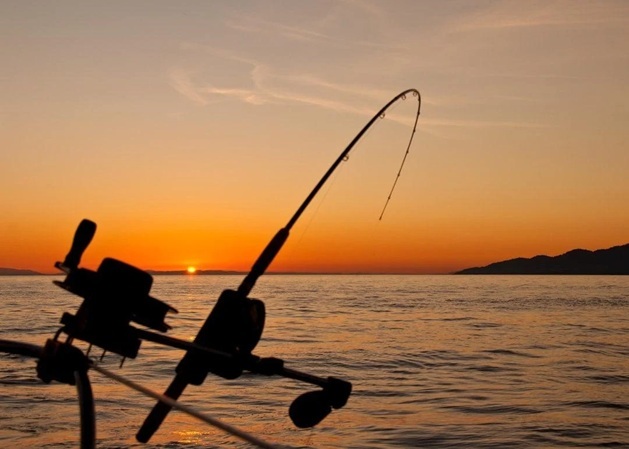
The best saltwater gear depends on where you fish and what you hope to catch. You can catch redfish on the flats with a light spinning setup, but you’ll want much heavier tackle for a 30 kg amberjack 60 m down. Start with your fishing style, then pick each piece of gear to match it.
Saltwater Fishing Rod Combo
For your first ocean setup, or any time you want something you can grab and go, you can skip a lot of guesswork with a durable and easy-to-use saltwater fishing rod combo. The shop or manufacturer matches the rod and reel ahead of time, so you don’t have to wonder if the reel’s size and line capacity fit the rod’s power. Many combos come ready to spool, and some deep drop setups even include the braid.
Spinning combos are the easiest to learn on and a good fit for most inshore fishing. With a 2.1 m medium-heavy rod and a 3000 to 4000 size reel, you can target snook, redfish, trout and snapper from piers, bridges, kayaks and the flats. If you fish from the beach, you can cast past the breakers with a 2.7 to 3 m surf rod and a larger reel.
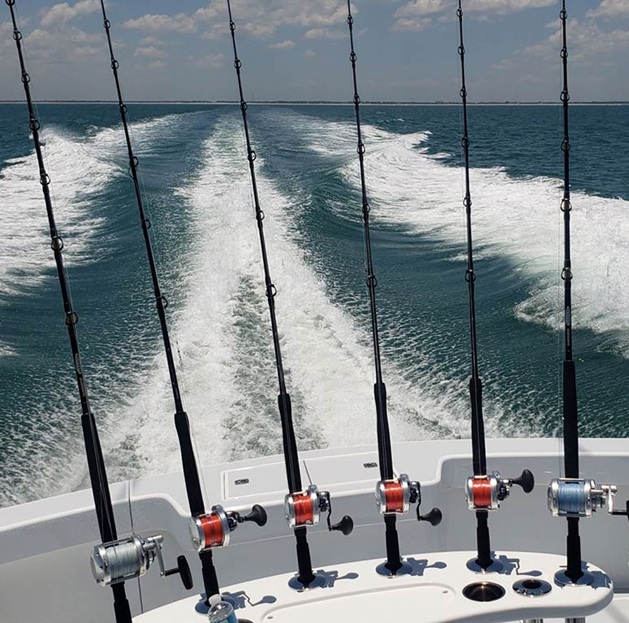
Offshore anglers who troll for mahi, wahoo or tuna usually reach for a conventional or lever drag combo. With a lever drag, you can push the drag up or down smoothly in the middle of a long fight instead of guessing with a star wheel. A stand-up combo has a shorter rod and a gimbal butt that fits into a fighting belt, so you can fight big fish with your legs and hips.
For deep dropping past 150 m for grouper, tilefish or swordfish, look at electric reel combos. Hand-cranking a heavy weight up from that depth over and over can wear you out by noon, and the motor handles that job for you. Plan for a dedicated 12-volt power source on your boat, since electric reels draw a lot of current. You’ll also find shorter combos for kids and multi-piece travel combos that fit in a suitcase.
Before you buy a saltwater rod and reel combo, check for a reel with sealed bearings or a sealed drag and look for corrosion-resistant guides and reel seats. If you plan to fish both inshore and offshore, start with the setup you’ll use most and add a second combo later. Rinse the whole setup with fresh water after every trip and back off the drag before you put it away, so your drag washers last longer.
Braided Line and Leaders
Most saltwater anglers fill their reels with braided line because it’s thin for its breaking strength and barely stretches. With less stretch, you’ll feel light bites and set the hook faster, especially in deep water. For inshore spinning, you can handle most fish with 9 to 14 kg braid and still get long casts.
Since fish can spot braid and it frays fast against rocks and barnacles, you’ll want a leader at the end of your line. Fluorocarbon is nearly invisible underwater and holds up well against rough structure, which makes it a go-to for snook, snapper and other wary fish. Start with 60 to 90 cm of 9 to 18 kg fluorocarbon inshore and go heavier offshore.
Monofilament costs less and stretches more, so it’s a forgiving choice for trolling or for kids who tend to yank the rod on every bite. If you target kingfish, wahoo or barracuda, add a short wire leader, because their teeth can slice through fluorocarbon in one bite. Practice an FG knot or double uni knot at home so you can join braid to leader quickly on the boat.
Hooks and Terminal Tackle
Terminal tackle means everything at the end of your line: hooks, swivels, weights and rigs. With circle hooks, you’ll usually hook the fish in the corner of its mouth, so you can release it with less harm. Don’t jerk the rod when you feel a bite. Just reel steadily until the line comes tight. In Florida, you have to use non-stainless circle hooks with natural bait when you fish for reef fish in Gulf waters, so check the latest state and federal rules before you head out. You’ll still want J hooks for many lures and trolling rigs.
Add a barrel swivel to cut down on line twist with spinning reels and trolling lures. Use egg sinkers for sliding rigs around reefs and pyramid sinkers to hold your bait in place on a sandy beach. If you’re still learning knots, you can save time on the water with pre-made bait rigs and leaders. Keep a hook file in your tackle bag and touch up any point that feels dull, since a sharp hook can mean the difference between a hookup and a missed bite.
Lures and Bait
Live bait is hard to beat in saltwater. Almost every inshore fish will eat a live shrimp, pilchard or pinfish, and you can catch your own with a cast net and a little practice. Frozen squid, sardines and cut bait cost less than live bait and work well for bottom fishing.
If you’d rather cast lures, start with three or four for different depths. With a soft plastic paddle tail on a jig head, a white bucktail jig, a gold spoon and a topwater plug, you can fish the surface, the middle and the bottom on most inshore trips.
Offshore, you’ll troll skirted lures or rigged ballyhoo for mahi, wahoo and sailfish. Over deep reefs and wrecks, you can get amberjack, grouper and snapper to bite on metal or slow-pitch jigs when bait fishing slows down. Store your lures in a bag or box with dividers and rinse them after each trip to slow down rust on the hooks.
Tools and Accessories
A good pair of aluminium or titanium pliers with a line cutter will see daily use on any boat or pier. Neither metal rusts, so you can rinse your pliers and toss them back in your bag. Wear fishing gloves when you handle spiny fish, sharp teeth or wire leaders, and bring a dehooker for fish you plan to release.
Pack a landing net for inshore fish and a gaff for big fish you plan to keep. On most reef fish trips in federal waters off Florida, you have to carry a descending device or venting tool so you can return deep-water fish safely, so check current rules before each season. Bring an insulated fish bag or cooler with plenty of ice so your catch tastes as fresh at dinner as it did on the water. With polarised sunglasses, you can see through the glare and spot fish in shallow water, and a face guard will save you from a long day of sunburn.