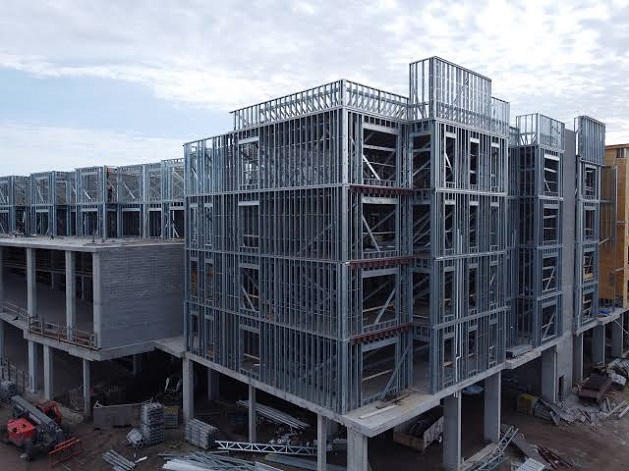

Timber may have long been one of the primary material choices in construction for its workability, strength, thermal insulation, aesthetic warmth, low processing energy and availability but things have changed and it’s all to do with modern structures like framing. When the focus is on sustainability, durability and versatility, it’s metal that comes out as the preferred alternative.
What Does Metal Frame Mean?
It refers to a lightweight metal (typically made of galvanized steel) frame used for the creation of structures in the example of walls, ceilings and partitions. The reason it’s become the preferred choice in the recent years has to do with its engineering consistency, strength, flexibility and cost-effectiveness.
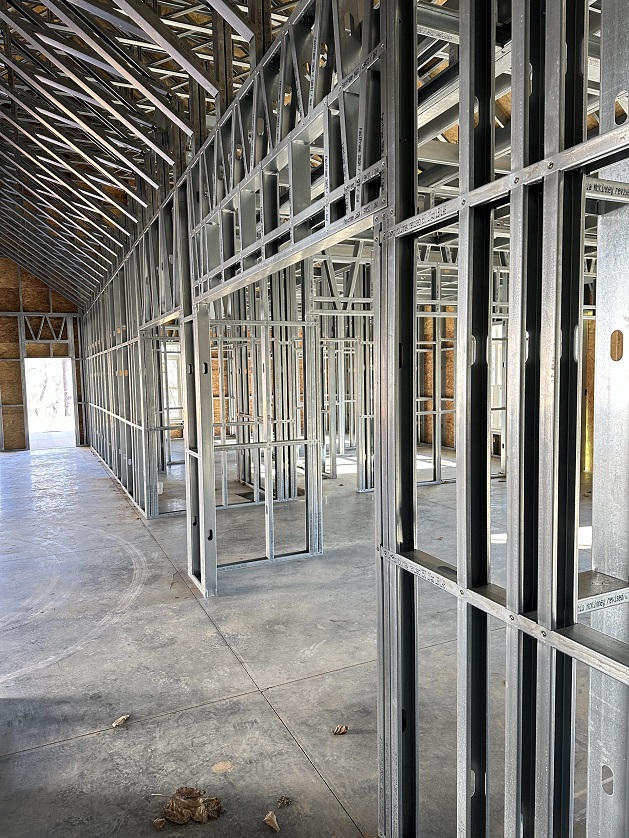
The precision with the dimensions helps with a speedy and seamless installation, creating stable and consistent straight structures as are required for both interior and exterior structural applications. As such, there’s no risk of any twisting, warping or shrinkage over time.
With crucial components like steel studs, channels, tracks and joists that are lightweight, easy to transport and easy to work with, including basic steps like seamless cutting to fastening and connecting with the right tools, the results are flatter and truer ceilings and walls.
Whether you need to do some wall stud framing or ceiling framing, load-bearing or non-load-bearing framing, keep in mind many pick sturdy metal framing for the resistant properties because, unlike timber, it’s non combustible and you won’t have to worry about it being affected either by rot from water, or infestations.
This explains why the metal framing systems, as a reliable alternative to timber ones, have made their way in residential projects such as new homes, lofts, extensions and renos as much as industrial, warehouse, public sector and commercial applications. Yes, they’re so reliable, they can be used even in moisture-prone areas and rooms like basements, bathrooms and wet rooms.
How to Choose the Right Metal Frame?
As there are different options of metal framing solutions available, created for the different projects, you need to be clear on what it is you’re looking for, and the application you’re going to use them for to make the right choice. Here are a few of our tips to make it easier to decide.
The Right Metal Based on the Building Type and Purpose
Just because all metal framing options are made from metal doesn’t mean they’re all equal. For example, while galvanized steel is a common option chosen for elements like corrosion protection, there are variants like:
- Light gauge steel framing – If you’re looking for framing known for the lightweight and flexible properties, fit for interior wall and ceiling applications, this is the one to opt for.
- Structural steel framing – In case it’s for use with heavy-duty applications such as larger buildings and industrial buildings where durability and weather-resistant properties are a must, this is the go-to choice.
- Cold-formed steel framing – When it comes to projects like interior partitions, you can rely on this option because it’s easy to install, and on top of it all it’s also cost-efficient. With the lightweight properties, it’s the best choice for non-structural applications.
The Load Requirements
To have the peace of mind regarding the safety and integrity of the structure, you can’t avoid considering the load requirements, regardless of whether the framing is going to be used for supporting structural loads or partitions.
From building height to span length, along with environmental factors such as wind or earthquakes, everything is important for the choice of framing and its load-bearing capacities – and it all comes down to the type of project and building you’re working on, plus both dead and live loads.
Drywall structure, insulation, furniture, these are all aspects that can add to the load. To comply with the local building codes and standards, consult a structural engineer who has the expertise to assess the load requirements properly. They can assist with the choosing of the adequate framing based on assessing environmental impacts.
The Costs
Quality can be costlier upfront, but doing the math long-term can show you why metal framing is the sound investment in the long run. The ease of installation paired with the low maintenance (think of the lack of risk from warping or decay) equals cost reductions for years to come.
Sure, you may have to hire experts to help with the assessment and installation, but there is a way to save up initially too – and that is choosing pre-fabricated metal systems with the necessary factory-punched openings that simplify electrical and plumbing installations. The precision in the production, the low waste and the reduced labour is what helps streamline the whole process and adds to the cost-efficiency.
Another option that comes at a lower cost is framing made from recycled metals. This choice is especially a preferred solution for eco-aware individuals after sustainable solutions that help reduce the overall carbon footprint of the project.