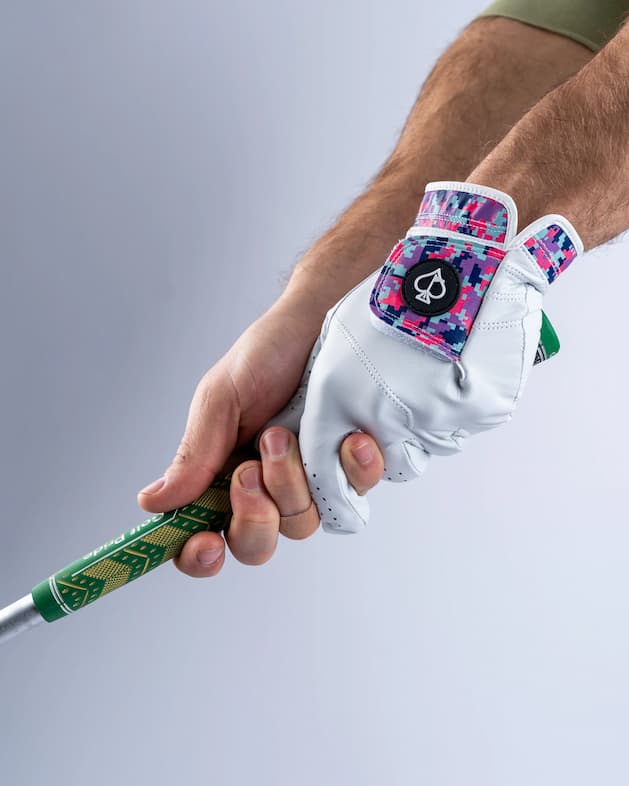

Golfers spend plenty of time choosing the right clubs, balls and shoes, but one small piece of equipment often receives far less attention: the glove. Yet the golf glove is the only piece of equipment that creates a direct connection between your hand and the club. That connection can influence how securely you hold the grip, how much pressure you use and how confidently you approach each swing.
The right glove can help reduce slipping, minimise friction and prevent blisters during a long round. It can also provide a more consistent feel from one swing to the next. On the other hand, a glove that is too loose, too tight or poorly suited to the weather can become an unnecessary distraction. Understanding materials, sizing and maintenance can therefore make choosing comfortable gloves golf players need much easier and help you find an option that performs comfortably from the first tee to the final green.
Leather vs. Synthetic vs. Weather-Specific
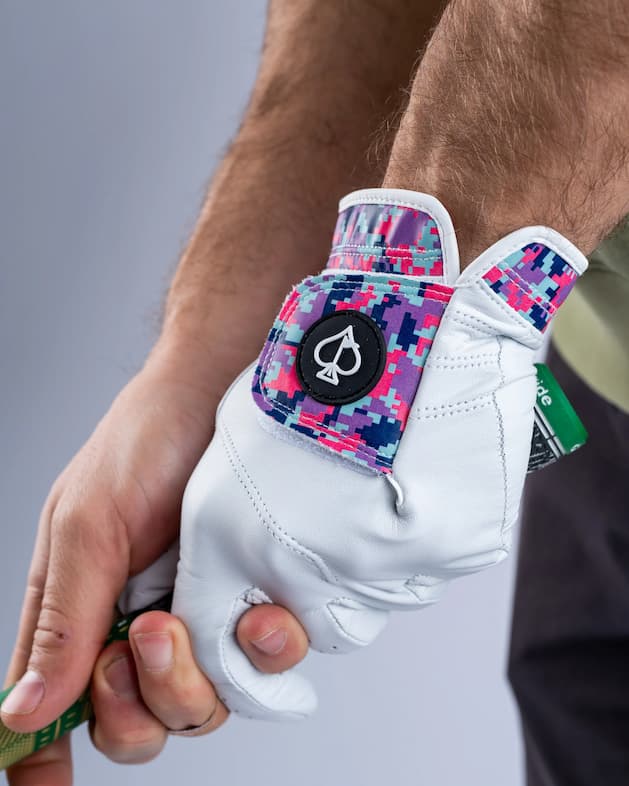
The material of a golf glove has a noticeable effect on its feel, durability, breathability and performance. While personal preference plays a role, different materials are better suited to different playing conditions.
Leather Golf Gloves
Leather remains one of the most popular choices among golfers who prioritise feel. Premium cabretta leather, in particular, is soft and supple, allowing golfers to maintain a close connection with the club grip.
A well-made leather golf glove can feel almost invisible once it is properly fitted. This tactile feedback can be particularly appealing to experienced players who want to feel subtle changes in grip pressure throughout the swing.
The trade-off is durability. Leather can be more sensitive to moisture, sweat and repeated use than synthetic alternatives. It may also stretch slightly over time, making proper care particularly important.
Synthetic Gloves
Synthetic materials offer a practical alternative for golfers who want flexibility and durability. Modern synthetic gloves can be lightweight, breathable and resistant to stretching, making them well suited to frequent practice and regular rounds.
Some designs also combine synthetic panels with leather sections, placing softer material in areas where feel is most important while using more durable fabric in high-stress areas.
For golfers who spend a lot of time on the practice range or play frequently, synthetic gloves can offer an excellent balance between performance and longevity.
Weather-Specific Options
Weather can dramatically change how a glove performs.
For hot-weather gloves golf players can typically prioritise breathability and moisture management, using lightweight fabrics and ventilated panels to help keep hands comfortable. Rain gloves, meanwhile, are designed to maintain grip when conditions become wet, sometimes becoming more effective as moisture increases.
Cold-weather golf gloves generally focus on insulation while still allowing sufficient flexibility for gripping and swinging. If you regularly play in changing conditions, having more than one pair of golf gloves can be a practical solution rather than expecting a single glove to perform perfectly in every environment.
Tips for Getting the Sizing and Fit Right
Even the highest-quality glove cannot perform properly if the fit is wrong. A golf glove should feel snug without being uncomfortable.
Start by checking the fingers. The material should reach close to the ends of your fingers without excessive fabric bunching at the tips. If there is noticeable extra material, the glove may be too large.
Next, check the palm. The glove should sit smoothly against your hand without loose sections that can move during your swing. Excess material can create friction and reduce the consistent connection between your hand and the club.
The closure should also sit securely without requiring excessive tightening. If you have to pull the fastening dramatically across your hand to keep the glove in place, consider trying a smaller size or a different fit.
Pay attention to your knuckles and the back of your hand when making a fist. A properly sized glove should allow natural movement without feeling as though the material is pulling or restricting your hand.
Remember that gloves are not meant to feel like loose everyday clothing. A close fit is important because movement between the glove and your hand can affect grip consistency.
Left or Right-Handed?
Golf gloves are typically worn on the lead hand. The hand positioned higher on the club grip. For a right-handed golfer, this is generally the left hand, while a left-handed golfer will usually wear the glove on the right hand.
This is worth checking when purchasing gloves for golf, particularly if you’re buying online. A glove labelled for a right-handed golfer is designed for the left hand, while one intended for a left-handed golfer fits the right hand.
Golfers who prefer not to wear a glove on every shot can also experiment with when they use one, but maintaining consistency during a round can help avoid changes in grip sensation.
Care to Extend Glove Lifespan
A little maintenance can significantly extend the useful life of a glove.
After a round, resist the temptation to immediately squeeze the glove into the bottom of your golf bag. Sweat and moisture trapped inside the material can accelerate deterioration and encourage unpleasant odours.
Instead, allow the glove to air dry naturally. Keep it away from direct heat sources such as radiators, heaters or hairdryers, as excessive heat can cause leather to become stiff or distorted.
If possible, use a glove shaper or place the glove flat while drying to help it retain its original form. Avoid leaving it scrunched into a ball.
For leather gloves, follow the manufacturer’s cleaning recommendations rather than using household detergents. Some products may damage the material or remove its natural softness.
Rotating between two gloves can also be useful for golfers who play frequently. Allowing one glove to dry completely while using another can reduce the amount of continuous moisture exposure.
Storage matters too. Keep your glove somewhere dry and avoid leaving it in a hot car for extended periods, particularly during summer.
Knowing When It’s Time for a New Glove
Even with excellent care, every golf glove eventually reaches the end of its playing life.
Look for visible signs of wear around the palm, thumb and fingers. Thinning material, holes, hardened leather, stretched areas or a fastening system that no longer holds securely are all indications that replacement time may be approaching.
You may also notice a change in performance before the damage becomes obvious. If the glove begins slipping, bunching or feeling significantly different from when you first bought it, replacing it can restore the consistent feel you need.
A glove doesn’t need to be destroyed before you retire it. Once wear begins affecting grip or comfort, its performance benefits are already diminishing.