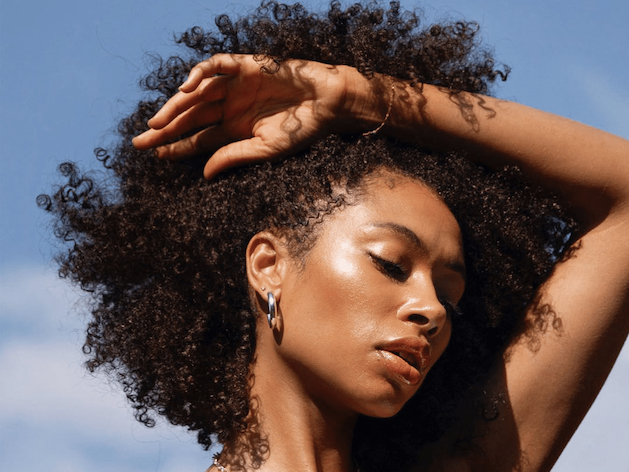

Every day, exposure to heat, styling, and the elements can roughen the hair’s outer layer (the cuticle), leaving strands dry, tangled, and dull. Conditioning ingredients help coat the strands and smooth out those rough areas, leaving them easier to manage. Today’s formulas have also become much more targeted than the basic oil-based treatments used in the past.
Choosing a conditioner can seem simple, but with so many brands promising softer, smoother, and healthier-looking hair, you’re likely wondering which one’s right for you. Here is what to consider when picking the ideal product for your hair.
Consider Going Silicone-Free
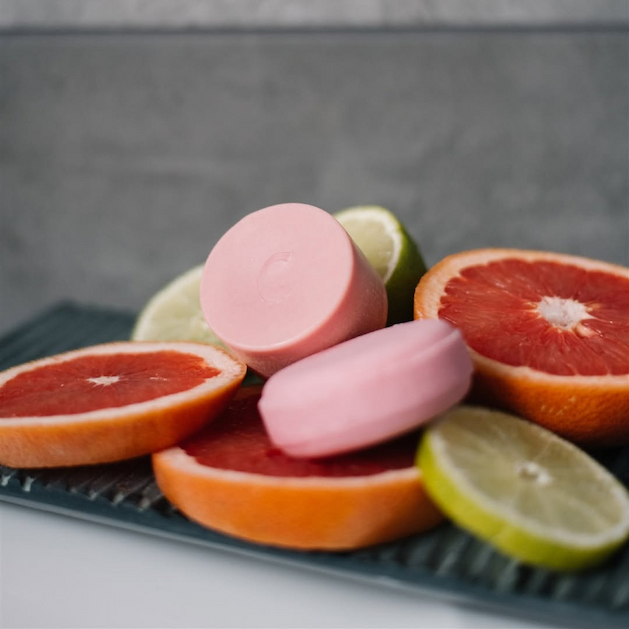
If you want a simpler approach to your routine, choose silicone free hair conditioner bars. Unlike traditional products that often use ingredients such as dimethicone or amodimethicone to coat each strand, these formulas leave silicones out and often use ingredients like plant oils, shea butter, and botanical extracts. Silicones can make hair feel instantly smoother and easier to comb by creating a coating around each strand. While this can give a sleek finish, some people prefer to avoid that coating, particularly if they find their hair becomes weighed down or develops buildup with regular use. These formulas provide conditioning without relying on that same type of coating.
Silicone free conditioner bars are also a convenient choice. Their solid format means there’s no bottle to squeeze or liquid to spill, and they can be easy to store between uses. This makes them particularly handy for travelling or for anyone looking to reduce the amount of packaging in their bathroom.
Benefits of Silicone-Free Conditioners
Switching to a silicone free hair conditioner bar can feel a little different at first, especially if you have been using conventional products for a long time. You may notice a change in texture as built-up product residue washes away. There’s no need to rush the process; simply give your routine some time to adjust.
One of the main reasons people choose silicone free hair conditioners is the lighter feel they provide. Depending on the ingredients, people typically notice several benefits:
-A lighter finish: Without a silicone coating, some women find their locks feel less weighed down after conditioning.
-Simple conditioning: Plant oils, butters, and botanical ingredients in hair conditioners without silicone can provide moisture and softness without relying on silicones.
-Suitable for sensitive scalps: A simpler formula may be preferable if your scalp is easily irritated.
-Less product buildup: Avoiding these ingredients can be useful if you find that conventional styling and conditioning products leave noticeable residue.
When shopping for a silicone free conditioner, check the ingredient list carefully. Ingredients with names ending in -cone, -conol, or -xane are often silicones, although not every ingredient with these endings behaves in exactly the same way. Taking a moment to read the label can help you choose a formula that suits your routine.
Hair Conditioner Types
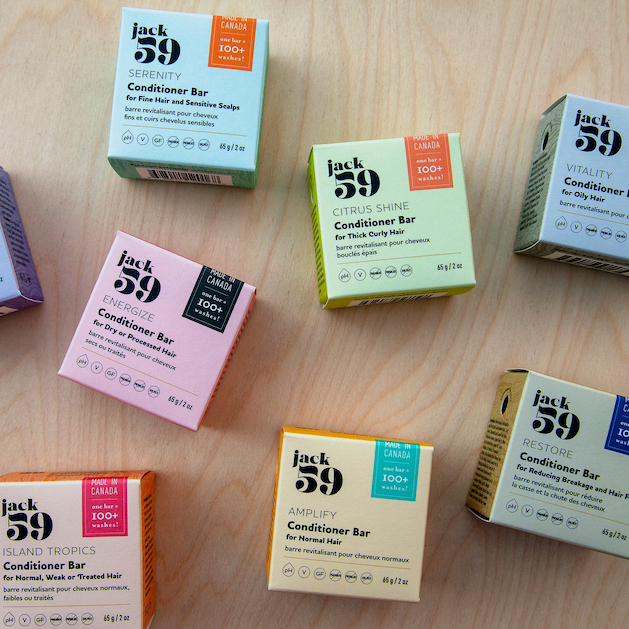
If you want beautiful hair, you should start with products that suit your needs, and there are several types of conditioners to choose from. Some are made for everyday use, while others provide extra moisture or support:
-Rinse-out: This is the standard option you use after shampooing. It adds moisture, helps with detangling, and leaves strands feeling softer without adding too much weight.
-Leave-in: Designed to stay on rather than being rinsed away, this can provide ongoing moisture and make styling easier. It can be particularly useful for curly, textured, or dry hair.
-Deep conditioner: A richer treatment designed for when your hair needs extra conditioning. It is typically left on for longer than a regular product and can be useful when strands feel particularly dry or rough.
-Cleansing conditioner: Also called a co-wash, this combines gentle cleansing with conditioning. It can be a useful option for people who find frequent shampooing too drying.
-Protein conditioner: These formulas contain proteins that can temporarily improve the feel and strength of weakened strands. They’re useful if you’re frequently using heat styling or chemical treatments.
The best choice depends on your texture, condition, and everyday routine, so you may need to try different formulas to find what works for you.
Identify Your Hair Type
Your hair type can help guide you towards a product that feels comfortable and works well for your routine. Fine strands usually benefit from lighter formulas, while thicker or coarser textures need something richer. Curly and textured strands often respond well to nourishing ingredients such as oils and butters, while coloured or damaged strands benefit from gentle, moisturizing formulas designed for treated strands.
If your scalp tends to get oily but your ends feel dry, apply the product mainly from the mid-lengths down. This can help keep the roots feeling lighter while moisturizing the dry areas.
How Do I Use Hair Conditioner?
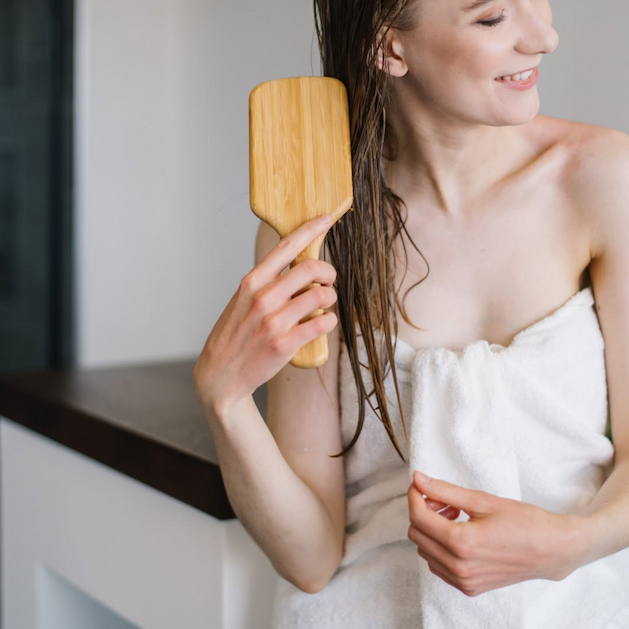
Apply the product to clean, damp hair after shampooing. Start around the mid-lengths and work towards the ends, as these areas usually need the most moisture. Avoid the roots unless they are particularly dry. Use your fingers or a wide-tooth comb to spread it evenly, then leave it on for a couple of minutes before rinsing well. Using too much product or leaving residue behind can make your strands feel heavy or greasy, so a small amount is often enough.