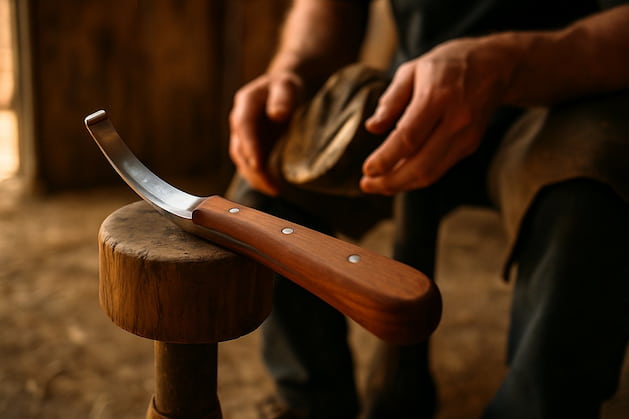

Tools That Shape the Job
Hoof care is a craft where the outcome depends on the tools you use. Every trim, adjustment, or shoe reset requires precision, and that precision comes from instruments designed for the job. Well‑chosen equipment not only makes the work smoother but also ensures the horse’s comfort and long‑term health. For farriers and horse owners alike, the right choices can mean the difference between a routine trim and a struggle.
Precision in Your Hands: The Role of Hand Tools
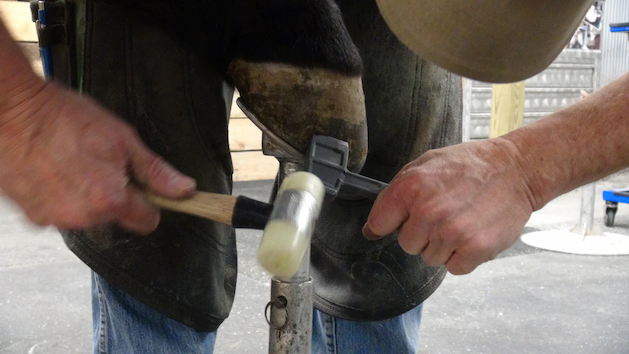
Hand tools are the backbone of farrier work. They include essentials like nippers, pull‑offs, clinchers, and cutters, each designed for a specific stage of trimming or shoeing. These tools allow farriers to remove excess hoof, adjust nails, and secure shoes with accuracy. Without them, even the most skilled professional would struggle to achieve balance and symmetry.
That’s why investing in a carefully chosen set of hand tools becomes a turning point in hoof care, giving you the precision to shape, the strength to endure repeated use, and the confidence to handle even the toughest hooves without compromise.
Picking Your Perfect Match
Selecting the right tool is about more than availability. Durability matters because hoof care involves repeated impact and resistance against tough keratin. Comfort and balance are equally important; ergonomic handles reduce fatigue during long sessions, while well‑balanced weight ensures smoother movements.
Different categories serve different needs:
- Nippers cut away excess hoof wall.
- Pull‑offs remove shoes cleanly.
- Clinchers secure nails tightly.
- Cutters trim or adjust clinches.
Materials and Craftsmanship
The strength of steel is central to tool performance. High‑carbon steel resists wear and maintains sharp edges, while stainless steel offers corrosion resistance. Forging methods also matter: precision‑forged jaws align perfectly, reducing slippage and ensuring clean cuts. Ergonomic design, featuring curved jaws, textured grips, or balanced handles, reduces strain on wrists and shoulders.
Craftsmanship influences safety as much as performance. Poorly finished edges can slip or cause injury, while well‑shaped handles improve grip even when hands are wet or tired. Industry experts emphasize that durability and ergonomics are inseparable: tools that last longer also protect the user from fatigue and mistakes.
Complementary Tools That Help
Beyond the core instruments, complementary items make hoof care more efficient. Hoof testers help identify pressure points or hidden issues. Rasps smooth edges after trimming, ensuring balance. Gauges and rulers provide measurements for accuracy. Brushes and picks keep surfaces clean during work.
These supporting tools don’t replace the essentials but enhance their effectiveness, creating a complete toolkit for everyday and specialized tasks. For example, a rasp used after nipping ensures the hoof wall is even, while a gauge confirms symmetry before the shoe is applied. Together, they form a system that supports precision and consistency.
Everyday Know‑How
Even the best equipment loses its edge without proper care. Regular cleaning prevents rust and debris build‑up. Sharpening maintains cutting precision, while oiling moving parts keeps them smooth. Safe storage, aka dry, organized, and away from corrosive materials, extends lifespan.
Farriers often recommend routine checks before each use, ensuring no cracks or dull edges compromise performance. Practical routines like these not only protect the tools but also safeguard the horse. A sharp, well‑maintained nipper cuts cleanly, reducing stress on the hoof. A properly stored rasp avoids contamination that could irritate sensitive tissue. Small habits add up to big gains in efficiency and safety.
Choosing and Using Wisely
Selecting tools is only half the equation; knowing how to use them correctly matters just as much. Grip technique, angle of approach, and pressure applied all influence the outcome. For example, using nippers at the wrong angle can splinter the hoof wall, while improper clinching may weaken the hold of the shoe.
Tips for choosing and using effectively include:
- Test balance before buying. A tool that feels heavy or awkward will slow you down.
- Check steel quality. High‑carbon steel holds an edge longer.
- Practice safe angles. Cutting straight reduces risk of cracks.
- Maintain sharpness. A dull tool requires more force, increasing strain.
By combining careful selection with correct technique, farriers ensure both efficiency and safety.
Broader Context: Why Quality Matters
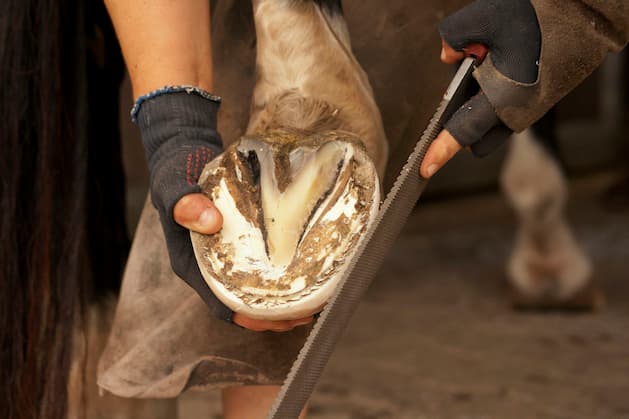
Hoof care isn’t just about aesthetics, it directly affects a horse’s mobility and wellbeing. Poorly trimmed hooves can lead to uneven gait, strain on joints, or even long‑term lameness. That’s why professionals stress the importance of reliable tools.
Research into equine biomechanics shows that balanced trimming reduces stress on tendons and ligaments. Tools that allow precise cuts and adjustments contribute to this balance. In other words, investing in quality equipment isn’t just about convenience; it’s about protecting the horse’s health.
Invest in What Works
Hoof care is demanding, but the right choices make it manageable. Selecting durable, ergonomic, and well‑crafted tools ensures precision, safety, and comfort for both farrier and horse. Complementary instruments add versatility, while everyday maintenance keeps everything in peak condition.
In the end, investing in a hand tool means fewer mistakes, smoother workflows, and healthier hooves. With careful selection and consistent upkeep, your toolkit becomes more than just equipment, it becomes the foundation of reliable, effective care.